Skip to content
Full-thickness · advanced cases · re-grafts

PKP in Cairo — when partial-thickness grafts aren't enough.

Penetrating Keratoplasty replaces the entire thickness of the cornea — the right choice for deep central scarring, severe infectious sequelae, advanced keratoconus with central thinning, and failed prior grafts. We do PKP only when DALK or DMEK aren't feasible. From $3,000 with internationally certified donor tissue.

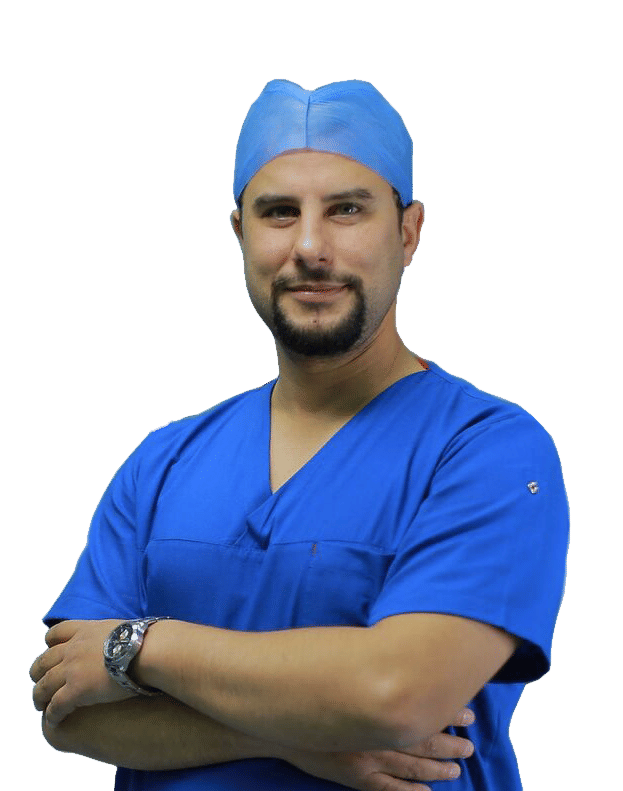
Penetrating Keratoplasty (PKP) with Dr. Ahmed Shaarawy — Shaarawy Cornea Clinic

Why choose us

International standard. Regional access.

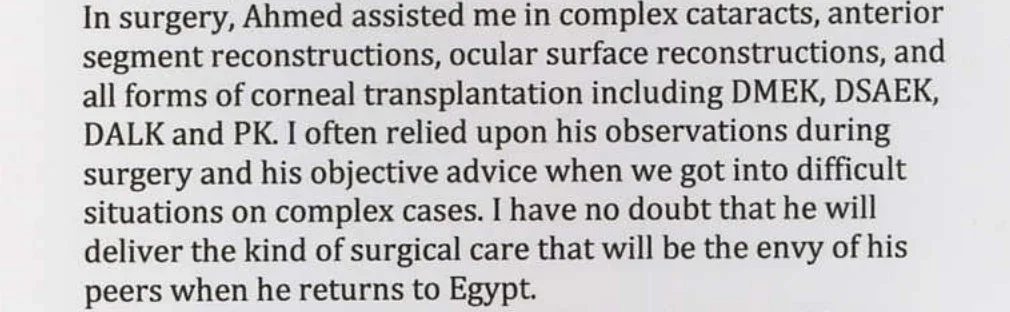
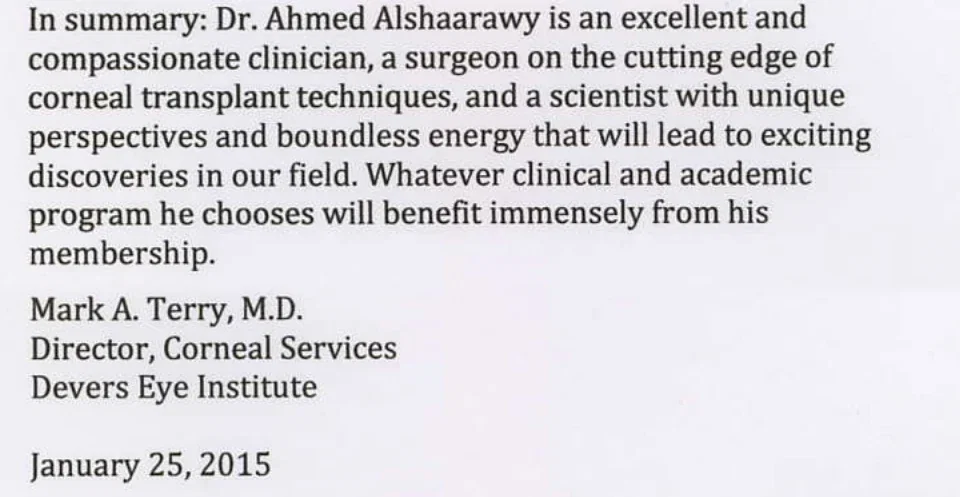
Devers Eye Institute fellowship

Trained in advanced keratoplasty under Prof. Mark A. Terry — same protocols you'd find at any major US cornea center.

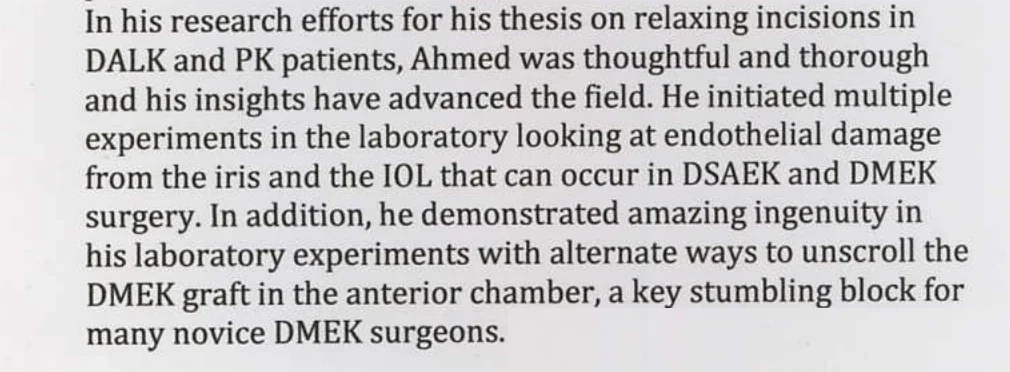
AAO-published Graft Exchange DALK technique

Smart Splash and Graft Exchange DALK — both featured as AAO Editors' Choice surgical videos. We re-graft failed transplants regularly.

Always DALK first when possible

DALK preserves your endothelium and lowers rejection risk. We commit to PKP only when DALK isn't anatomically feasible.

Internationally sourced tissue

Donor tissue imported from VisionGift / Saving Sight (USA) with full chain-of-custody documentation. ≤48h sourcing.

Procedures & pricing

Transparent USD pricing.

Final cost is set after clinical examination. Local-currency equivalents available on request. Insurance reports issued for international patients.

ProcedureBest forFrom (USD)
PKP (standard)Conventional full-thickness graft$3,000
PKP + cataract (triple)Combined with phaco + IOL$3,400
PKP for failed prior graftRe-graft after rejection or decompensation — quoted case-by-case$3,000
تجربة مريض حقيقية

Watch a real patient's experience with Dr. Ahmed Shaarawy

A real patient story — from diagnosis to restored vision after corneal transplantation.

Common questions

Frequently asked.

Why PKP instead of DALK?
DALK preserves your own endothelium and has a lower rejection rate. We choose DALK whenever the disease is anterior (above Descemet's membrane). PKP becomes necessary when the deep stroma or endothelium is involved — failed prior grafts, full-thickness scars, severe infection sequelae.
What's the rejection risk?
PKP has a 15–20% lifetime rejection rate — higher than DALK (5%) or DMEK (3–5%) because the entire cornea is foreign tissue. Most rejection episodes are reversible if caught early; topical steroids are first-line treatment.
How long is recovery?
Visual recovery is slow: useful vision in 3–6 months, full stability in 12–18 months as sutures are progressively removed. Plan for 12 months of close follow-up post-op.
Can sutures be removed locally after I return home?
Yes. We provide a detailed suture removal schedule and protocol in English. Most international patients have their sutures removed by their local ophthalmologist with our written instructions, returning to Cairo only for the major checks.

Send your case for a transplant recommendation.

Recent topography, OCT, and any prior surgical history are enough to start. We'll respond within 24 hours with whether DMEK / DSAEK / DALK / PKP is the right choice for your eye, the all-in cost, and a travel plan.

Contact us on WhatsApp
BookCallWhatsApp