"Will I see 6/6 (20/20) after LASIK?" It is one of the first questions patients ask before going ahead with surgery, and rightly so. Anyone considering LASIK wants to understand the outcome, the benefits, the risks, and what will actually change in daily life. The short answer: yes, most patients do achieve 6/6 vision after LASIK. But our approach is to give you a clear, evidence-based explanation, so this article walks through the details, how vision recovers after LASIK, and whether it can fully return to normal.
What Is LASIK?
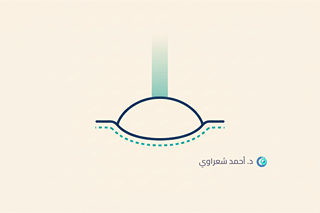
LASIK is the most common refractive surgery used to correct vision problems. Across its modern platforms, the procedure reshapes the cornea, the transparent front of the eye, with a precise excimer laser, so that light focuses properly on the retina at the back of the eye. For the right candidate, LASIK is often the safest and most effective alternative to glasses.
Which brings us to another common question: what are the side effects or complications of LASIK?
Side Effects After LASIK
LASIK is a very safe procedure, but some patients experience mild side effects. The most common are:
- Dry eye
- Sensitivity to glare or bright light
- Mild eye discomfort or itching
- Bothersome blurred vision
These symptoms occur in only a small subset of patients and usually last just a few weeks. If they persist longer, it may suggest LASIK was not the right procedure for that patient, a determination only your surgeon can make.
Why LASIK Is Performed
LASIK corrects:
- Astigmatism, which causes blurred vision
- Myopia (nearsightedness) or hyperopia (farsightedness)
Who Is Not a Candidate for LASIK?
LASIK is generally not appropriate for these groups:
- Patients with thin corneas
- Patients with progressive conditions such as keratoconus
- Patients with poorly controlled diabetes, given its impact on eye health
- Pregnant women, due to corneal changes that occur during pregnancy
Why Dr. Ahmed Shaarawy for LASIK
As we've noted in previous articles, eye conditions can present with overlapping symptoms, and not every patient is a LASIK candidate. Getting the diagnosis right takes an experienced specialist. Dr. Ahmed Shaarawy can:
- Perform LASIK efficiently and safely if your case is suitable for the procedure
- Manage your case if LASIK is not appropriate, including expert evaluation of keratoconus and other corneal conditions
- Draw on a long record of successful LASIK and modern corneal transplant cases
- Lecturer and Consultant of Cornea and Refractive Surgery
- The first surgeon in Egypt to perform DMEK using the S-Stamp technique
- Doctorate (MD) in ophthalmology; corneal fellowship at Legacy Devers Eye Institute, Oregon, USA
Advantages of LASIK
A safe procedure with relatively quick results.
The most reliable alternative to glasses and contact lenses for the right candidate.
Other advantages:
The procedure is pain-free.
No sutures or post-op bandages are required.
Results come fast, patients typically notice significantly improved vision within hours of surgery.
Types of LASIK
Like most surgeries, LASIK has evolved through several generations. The main variants used today:
1. PRK (Surface Laser)
PRK is a refractive surgery that corrects vision errors by reshaping the cornea, since the cornea is responsible for refracting light toward the retina.
The surgeon uses an excimer laser to correct refractive errors and visual disturbances.
This works because clear vision normally requires light to pass through the lens and cornea, which together bend (refract) the light to focus it on the retina.
2. Femto-LASIK
- Femto-LASIK is used to correct vision and certain corneal conditions. Often called "bladeless LASIK," it is considered a safer technique than conventional LASIK because it uses a femtosecond laser instead of a microkeratome blade to create the corneal flap.
3. SMILE Pro
- SMILE Pro is one of the most advanced refractive procedures. The surgeon extracts a small lens-shaped piece of corneal tissue (a lenticule) through a small incision at the edge of the cornea, using a femtosecond laser.
The cornea is then reshaped to the required prescription. SMILE Pro is widely used for higher degrees of myopia and for patients with dry eye.
Post-Op Instructions After LASIK
- Avoid touching or rubbing your eyes in the days after surgery. The eye is highly sensitive at this stage, and rubbing raises the risk of infection. It can also disrupt healing of the corneal flap created during LASIK.
- Wear protective plastic eye shields when sleeping to prevent unintentional rubbing or irritation. Sunglasses help too in the days after surgery, especially if your eyes feel light-sensitive.
- Use the eye drops your surgeon prescribes, they keep the eyes lubricated and help prevent dry eye. Use them as directed for maximum comfort.
- Rest your eyes as much as possible for at least the first 24-48 hours after LASIK. That means no reading, television, or computer use during this period, it supports healing.
- For women: avoid eye makeup, and avoid getting water or soap in your eyes, for at least 5 days. Anything that enters the eye in the early period can cause irritation or infection. Hot tubs and swimming pools should wait at least three weeks.
- Do not drive until your surgeon has assessed your visual quality. This usually happens at the follow-up visit two days after LASIK.
- If you have any concerns or new issues after LASIK, contact your surgeon as soon as possible. Don't wait for symptoms to get worse.
For more details on LASIK or corneal disease, follow Cornea Clinic.
Sources and references
Peer reviewed and professional sources used in the medical review of this article:
- Symptoms and Satisfaction of Patients in the PROWL StudiesEydelman et al., 2017 · JAMA Ophthalmology
- What should I expect before, during, and after surgery?U.S. FDA · fda.gov
- LASIK: Laser Eye SurgeryAAO EyeSmart, 2026 · aao.org