LASIK has been one of the best-known procedures in ophthalmology since the 1990s. The name stands for laser-assisted in-situ keratomileusis, in plain terms, reshaping the cornea with a laser. We wrote this article to be a complete reference: everything you need to know before considering LASIK, in one place.
What Is LASIK Surgery?
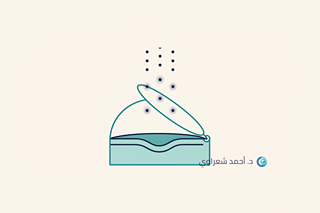
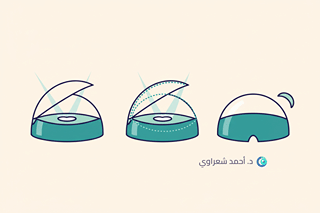
LASIK reshapes the cornea using a laser. First, a precise instrument lifts a thin layer (flap) from the surface of the cornea, leaving a small section attached to the eye as a hinge, a step that can also be done with a femtosecond laser. An excimer laser then reshapes a portion of the underlying corneal tissue, with the amount calculated according to the type and degree of your refractive error. Finally, the flap is laid back in place, where it heals naturally without a single suture.
The History of LASIK
In 1987, Dr. Stephen Trokel performed the first surface laser refractive procedure (PRK) in New York.
In 1991, as surgical microkeratomes advanced in the United States, Dr. Stephen Slade and Dr. Stephen Brint performed the first true LASIK procedure, creating a corneal flap with the microkeratome, applying therapeutic laser underneath, and replacing the flap.
About a decade after that first surface procedure, in 1996, the U.S. Food and Drug Administration approved LASIK. It quickly became the most popular refractive procedure, little pain, fast visual recovery.
Then came 2001 and the femtosecond laser revolution. The corneal flap could now be created with a laser instead of a mechanical blade, with extreme precision, and complications associated with LASIK dropped substantially.
All of which is why LASIK is now considered one of the safest eye surgeries in the world: it's quick, low-risk, and delivers a significant improvement in vision.
Types of LASIK Surgery
1- Surface laser ablation (PRK)
2- Conventional LASIK
3- Femto-LASIK
4- ReLEx SMILE (small-incision lenticule extraction)
We've covered the types of LASIK in detail in a previous article, you can read it here, so this guide reviews them only briefly.
What does LASIK offer you?
1- Minimal pain, thanks to the topical anaesthetic drops used.
2- Vision is corrected almost immediately, or within the day after the procedure.
3- Enhancements can be performed years later if a touch-up is ever needed.
4- Most patients no longer need glasses or contact lenses.
Frequently Asked Questions About LASIK
1- Is LASIK painful?
Generally, no, anaesthetic drops are applied before the procedure, so LASIK itself is pain-free. Some discomfort during the early healing phase is normal, and how much depends on the type of procedure performed. It passes quickly, though: most patients are enjoying improved vision within days.
2- How long does LASIK take?
You'll be in and out of the operating room in under 30 minutes. The laser itself is applied to your eye for anywhere from a few seconds to about two minutes per eye, depending on the complexity of your prescription.
3- How do I choose the right surgeon for LASIK?
Look for extensive experience in LASIK and ophthalmic surgery in general, backed by a long track record of successful procedures, like Dr. Ahmed Shaarawy.
Dr. Shaarawy is a lecturer and consultant in cornea and refractive surgery at the Research Institute of Ophthalmology, with a doctorate (MD) in ophthalmology and fellowship in corneal surgery from the Devers Eye Institute in Oregon, USA, where he trained under leading U.S. eye surgeons. He was the first surgeon in Egypt to perform endothelial keratoplasty (DSAEK) using the S-stamp technique, a technique he has since taught to many ophthalmologists and presented at numerous conferences in the United States and the Arab world. He is regarded as one of Egypt's most prominent eye surgeons, with a long record of successful operations and a consistent commitment to modern surgical techniques.
4- When will I see the results?
Most patients notice a clear improvement within 24 hours of surgery, and a substantial improvement by the end of the recovery period, the length of which depends on your prescription and the type of procedure performed.
5- What is the success rate of laser eye surgery?
Very high. LASIK and LASEK are both highly effective: in a published study of 190,231 patients with the most commonly treated prescriptions, 99.2% achieved fully functional vision.
6- How much does LASIK cost?
The price varies between centres, depending on the surgeon's experience, the technology used, and the location of the clinic.
7- How long do the results of laser eye surgery last?
Generally, for life. A small percentage of patients experience some regression and benefit from an enhancement procedure, this is part of the natural healing response, and the enhancement is usually performed three to six months after the original treatment.
One thing laser surgery cannot stop is ageing. As we get older, the eye gradually loses its ability to switch focus quickly between near and far, a condition called presbyopia. Presbyopia is age-related and entirely unrelated to laser eye surgery; some patients eventually benefit from complementary procedures, such as refractive lens exchange, to restore visual freedom in older age.
We hope this article has answered most of your questions about LASIK. If anything about your eyes is worrying you, get it looked at rather than waiting.
Sources and references
Peer reviewed and professional sources used in the medical review of this article:
- LASIK (patient information hub)U.S. FDA · fda.gov
- LASIK world literature review: quality of life and patient satisfactionSolomon et al., 2009 · Ophthalmology
- LASIK: Laser Eye SurgeryAAO EyeSmart, 2026 · aao.org