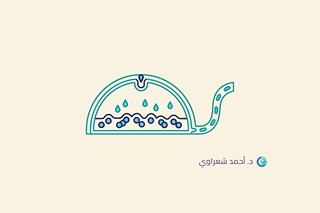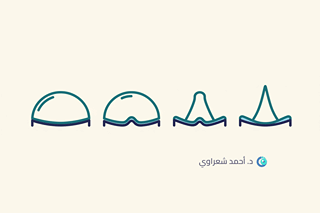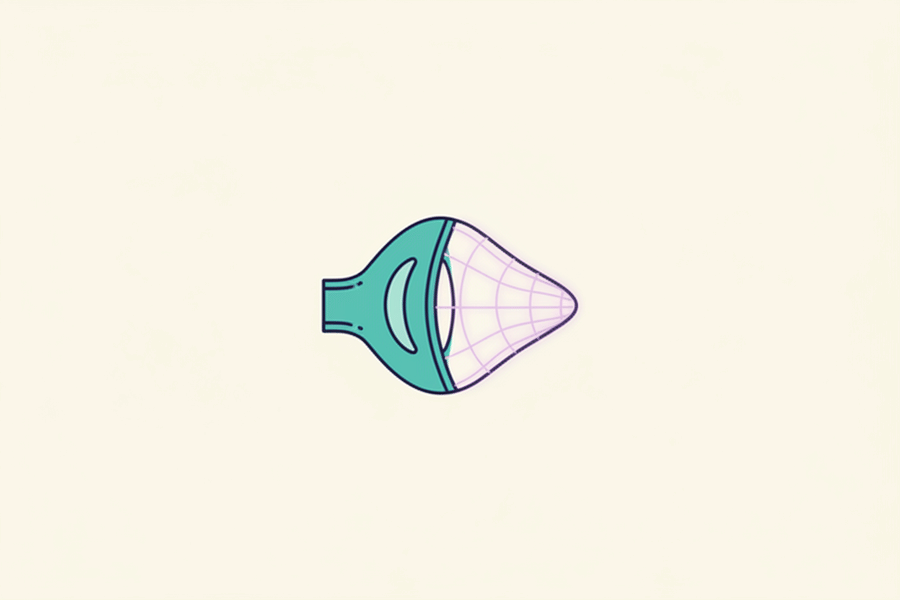
Keratoconus is a condition of the cornea, the clear window at the front of the eye. Instead of holding its normal dome shape, the cornea gradually thins and bulges forward into a cone. That change in shape is what distorts your vision.
Symptoms of Keratoconus
What does keratoconus actually feel like? The most common signs are:
- Gradual loss of vision
- Increased light sensitivity
- Halos around lights
- Frequent changes to your glasses prescription
- Difficulty with night vision
Causes of Keratoconus
Why does it happen? The honest answer is that we don't fully know yet. Genetics play a role, and environmental factors seem to contribute as well.
Treatment Options
The right treatment depends on one thing: how far the cone has progressed.
1. Early Stages
Caught early, keratoconus is usually manageable with prescription glasses or soft contact lenses.
2. Advanced Stages
As the condition progresses, you may need:
- Rigid gas-permeable (RGP) contact lenses
- Corneal collagen cross-linking (CXL)
- Intracorneal ring segments (ICRS)
- Corneal transplant in severe cases
Important Tips
In our Cairo clinic, the habit we warn every keratoconus patient about first is eye rubbing. To protect your eyes and slow the progression:
- Avoid rubbing your eyes
- Schedule regular eye exams
- Wear UV-blocking sunglasses
- Maintain a balanced, vitamin-rich diet
One last thing. If any of the symptoms above sound familiar, don't wait, see a cornea specialist for a proper diagnostic workup and a treatment plan built around your eyes.
Sources and references
Peer reviewed and professional sources used in the medical review of this article:
- Keratoconus: An updated reviewSantodomingo-Rubido et al., 2022 · Contact Lens & Anterior Eye
- Corneal collagen cross-linking for treating keratoconusSykakis et al., 2015 · Cochrane Database Syst Rev
- Deep anterior lamellar keratoplasty versus penetrating keratoplasty for treating keratoconusKeane et al., 2014 · Cochrane Database Syst Rev