Skip to content
Conjunctival autograft · low recurrence

Pterygium surgery — the technique that doesn't grow back.

A pterygium ("surfer's eye") is a fleshy growth from the conjunctiva onto the cornea, common in sun-exposed populations across the Gulf and North Africa. The right surgical technique — conjunctival autograft with fibrin glue — has a recurrence rate under 5%, vs 30–40% for the older bare-sclera technique that's still common in some clinics.

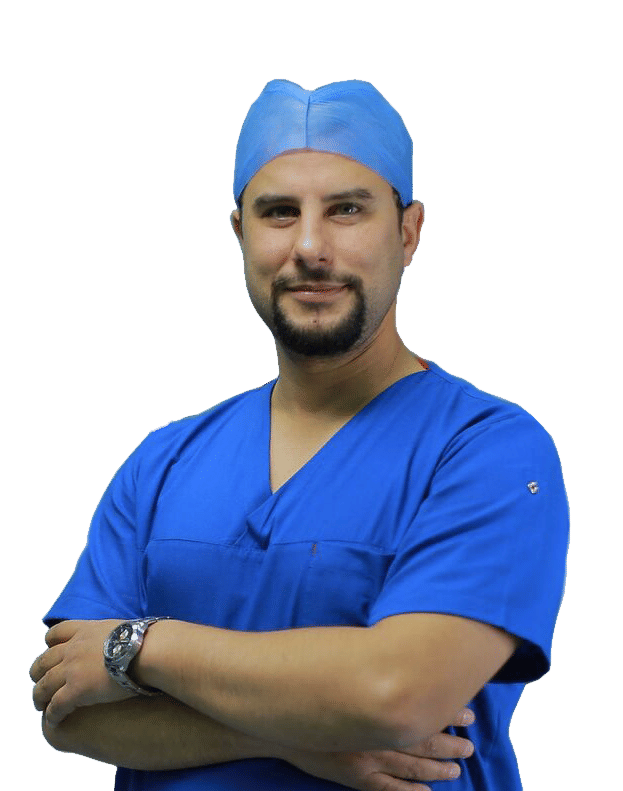
Pterygium Surgery with Dr. Ahmed Shaarawy — Shaarawy Cornea Clinic

Why choose us

International standard. Regional access.

Conjunctival autograft, not bare-sclera

Bare-sclera technique has a 30–40% recurrence rate. We use conjunctival autograft (your own tissue, glued in place) which has a recurrence rate under 5%.

Fibrin glue, not sutures

Glue fixation means less post-op irritation, faster healing, and better cosmetic result. No suture-removal visit needed.

Minimal cosmetic disturbance

The graft is harvested from the upper bulbar conjunctiva (under the upper lid where it's not visible). Healing is rapid and the eye looks normal within 2–4 weeks.

UV protection counseling

Pterygium is largely a sun-exposure disease. We explain UV-protection strategies (wraparound sunglasses, hats) post-op to reduce recurrence further.

Procedures & pricing

Transparent USD pricing.

Final cost is set after clinical examination. Local-currency equivalents available on request. Insurance reports issued for international patients.

ProcedureBest forFrom (USD)
Conjunctival autograft (no sutures)Gold standard. Fibrin glue fixation.$400 $800
Pterygium + amniotic membraneFor aggressive recurrent cases$600 $1,200
Combined pterygium + cataractSingle OR session$900 $1,800

Common questions

Frequently asked.

Will my pterygium grow back?
With conjunctival autograft + fibrin glue (our technique), recurrence is under 5%. With bare-sclera or older techniques, recurrence is 30–40%. The single biggest factor in your long-term outcome is which technique your surgeon uses.
Is pterygium surgery painful?
The procedure itself is painless under topical anesthetic drops. Post-op you'll have a foreign-body sensation and some redness for 1–2 weeks. Most patients return to office work in 3–5 days.
When should I have surgery?
Indications: vision is affected (pterygium reaches near or onto the visual axis), persistent irritation that doesn't respond to lubricants, induced astigmatism, or rapid growth. Cosmetic concerns alone are also a valid reason.
Can I have both eyes done at the same time?
Generally not — we operate on one eye, then the second 1–2 weeks later. This lets us monitor the first eye's healing without compromising your daily function.

Send a photo of your eye. We'll quote within 24 hours.

A clear photo of the affected eye (good lighting, no flash) is enough to start. We'll respond within 24 hours with the recommended technique, the all-in cost, and a travel plan.

Contact us on WhatsApp
BookCallWhatsApp