What Is Fuchs Dystrophy?
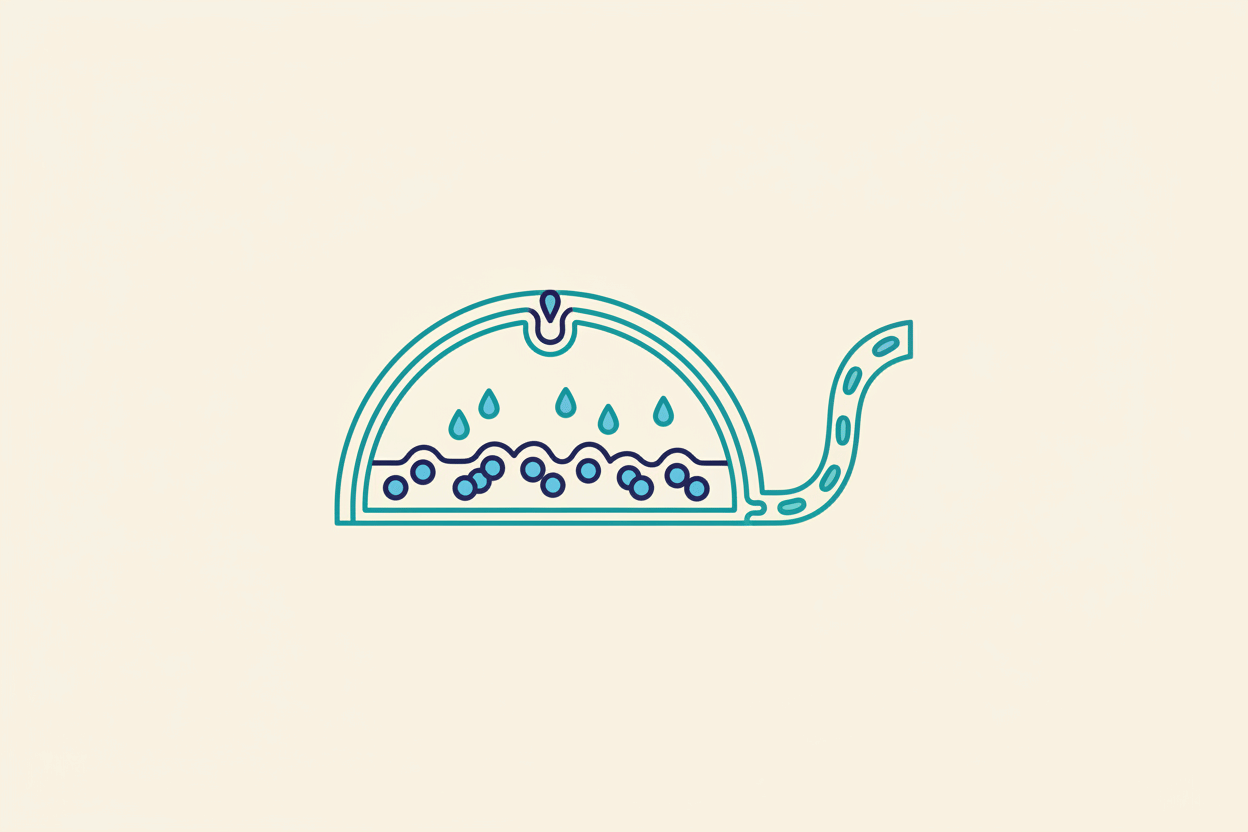
Fuchs endothelial dystrophy is a progressive, hereditary condition of the cornea's endothelial layer, a very thin row of cells whose job is to pump fluid out of the cornea and keep it clear. When these cells fail, fluid builds up. The cornea swells, and its transparency slowly fades.
Why Does It Blur Your Vision?
Morning blurriness is the hallmark: foggy vision on waking that clears through the day as fluid naturally evaporates. As the disease progresses, that daily clearing stops, the blurriness becomes permanent, and painful blisters can form on the corneal surface (bullous keratopathy).
Stages of the Disease
Fuchs dystrophy moves through four stages. In stage one there are no symptoms at all. Stage two brings morning blurriness that improves as the day goes on. By stage three, the blurriness no longer clears. Stage four means blisters and pain, and at that point, surgical intervention is required.
Treatment, From Drops to Endothelial Transplant
In the early stages, hypertonic saline drops (Sodium Chloride 5%) draw fluid out and reduce corneal swelling. Once the disease is advanced, DMEK (Descemet Membrane Endothelial Keratoplasty) is the optimal treatment: the damaged endothelial cells are replaced with healthy donor cells, while the rest of your cornea stays untouched.
Why DMEK Instead of PKP?
Because DMEK replaces only what's broken. The graft is just the endothelial layer, less than 0.015 mm thick, and the rest of the cornea is left undisturbed. The result: faster recovery, clearer vision, and a significantly lower rejection risk than a full-thickness transplant.
For early evaluation and to prevent deterioration, contact Dr. Ahmed Shaarawy's clinic, DMEK specialist in Egypt.
Sources and references
Peer reviewed and professional sources used in the medical review of this article:
- What Is Fuchs' Dystrophy?AAO EyeSmart · aao.org
- Fuchs endothelial corneal dystrophy: the vicious cycle of Fuchs pathogenesisOng Tone et al., 2021 · Prog Retin Eye Res
- DMEK: Safety and Outcomes — A Report by the AAODeng et al., 2018 · Ophthalmology