
Astigmatism correction matched to the cause, not only to the prescription.
Routine astigmatism is corrected by LASIK / SMILE or a Toric ICL. Astigmatism after cataract surgery uses a Toric IOL or LRI relaxing incisions. Post-keratoplasty astigmatism (after a corneal transplant) needs a different approach again, selective suture removal, Femtosecond LRI, or a small bite suture adjustment. The right technique depends on the cause.
Why choose us
International standard. Regional access.
Cause-first diagnosis
We measure topography + tomography + posterior segment before recommending a technique. Same prescription, different cause = different treatment.
Femtosecond LRI for precision cases
Post-keratoplasty astigmatism often needs Femtosecond LRI. Few centers in the region have the equipment.
Cornea sub-specialist matters
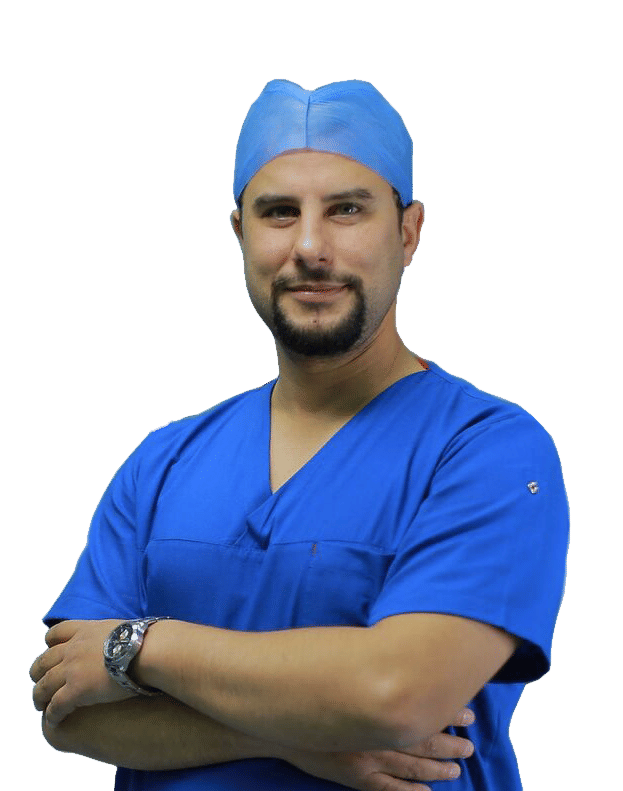
If you've had a corneal transplant, your astigmatism management requires a cornea-trained surgeon, Dr. Shaarawy handles 200+ post-keratoplasty cases per year.
Toric IOLs from leading manufacturers
Alcon, J&J, Zeiss toric platforms imported with full traceability.
Astigmatism after a corneal transplant done elsewhere
Siham had her corneal transplants seventeen years ago, one eye in Syria and one in Jordan, and was left with irregular astigmatism that neither glasses nor lenses could correct. Dr. Ahmed Shaarawy corrected the astigmatism in the cornea, and she speaks two days after the operation.
Procedures & pricing
Transparent USD pricing.
Final cost is set after clinical examination. Local-currency equivalents available on request. Insurance reports issued for international patients.
| Procedure | Best for | From (USD) |
|---|---|---|
| LRI (Limbal Relaxing Incisions) | Routine astigmatism, cataract patients | $300 - $600 |
| Femtosecond LRI | Higher precision; post-keratoplasty cases | $600 - $1,000 |
| Toric IOL (with cataract) | Permanent built-in correction | $900 - $1,400 |
| Toric ICL | Phakic patients with high cylinder | $1,500 |
| Selective suture removal (post-PKP/DALK) | Astigmatism after a corneal transplant | $200 - $400 |
Common questions
Frequently asked.
Can astigmatism return after correction?
I had a corneal transplant: what are my options?
Is LRI permanent?
Book your consultation
Pick a day and time. The first visit is an eye exam with Dr. Ahmed Shaarawy, who tells you which option suits your eyes.
Send your topography. We'll plan the right correction.
Astigmatism management is highly individual, the right technique depends on the cause, the magnitude, and any prior surgery. Send your most recent topography and we'll respond within 24 hours.
Medical references
- Visco DM, Bedi R, Packer M. "Femtosecond laser-assisted arcuate keratotomy at the time of cataract surgery for the management of preexisting astigmatism." J Cataract Refract Surg. 2019;45(12):1762-1769. PMID: 31856987. Retrospective series of 189 eyes with 0.5 to 2.0 D of preoperative corneal astigmatism; refractive astigmatism fell to a mean of 0.14 D by three months.
- Dr. Ahmed Shaarawy: 20+ years of corneal and refractive surgery, Devers Eye Institute fellowship (Portland, Oregon), two surgical techniques published in the AAO video series. The figures on this page come from the published literature, not from this clinic's own patients.