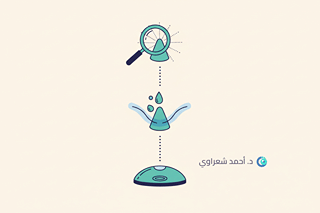
What Is Acute Hydrops?
Acute hydrops is a rare but serious complication that affects roughly 3% of keratoconus patients. Descemet's membrane, the thin layer that protects the endothelium, suddenly ruptures. Fluid rushes into the cornea, which swells abruptly and loses its transparency.
How Do You Know It's Happening to You?
A sudden, severe drop in vision in one eye. Noticeable pain. Redness and irritation, and corneal swelling you can actually see in the mirror. What sets hydrops apart is the speed, these symptoms arrive within hours, not days.
What Should You Do Right Away?
See a specialized eye doctor within 24 hours. This is not ordinary eye pain, and early intervention reduces the size of the scar that forms once the eye recovers.
How Is It Treated?
In most cases the rupture heals on its own within 2-4 months, helped along by pupil-constricting drops and a bandage contact lens. Sometimes gas is injected inside the eye to speed up closure of the tear in Descemet's membrane. The scar left behind may later require a corneal transplant.
Can It Be Prevented?
Strictly avoid rubbing your eyes, it's the most common trigger. And treating keratoconus early matters: corneal collagen cross-linking (CXL) in the early stages makes it far less likely the disease will ever progress to the advanced stage where hydrops occurs.
If you experience symptoms like these, don't wait for your routine appointment, contact Dr. Ahmed Shaarawy's clinic immediately.
Sources and references
Peer reviewed and professional sources used in the medical review of this article:
- Management of acute corneal hydrops: current perspectivesBafna et al., 2024 · Indian J Ophthalmol
- Acute corneal hydrops in keratoconusMaharana et al., 2013 · Indian J Ophthalmol
- Corneal HydropsEyeWiki (AAO) · eyewiki.org