Cataracts and How They Are Treated
Cataract is one of the most common eye conditions, especially among older adults. It isn't a dangerous disease in itself, but left untreated, it can worsen significantly. The good news is that cataract surgery has become one of the simplest and quickest procedures in ophthalmology, and femtosecond laser-assisted surgery is now an excellent option in many cases. What matters most is the surgeon's experience. At Cornea Clinic, Dr. Ahmed Shaarawy, a consultant corneal and refractive surgeon, performs cataract surgery using the latest techniques, through an incision as small as 1.8 mm with phacoemulsification ("phaco"). Below, we walk through what cataracts are, why they form, how they're treated, and the questions patients ask us most.
What Is a Cataract?
A cataract is a clouding of the eye's natural crystalline lens that gets in the way of clear vision. It's not the same thing as glaucoma, which is a rise in intraocular pressure that gradually narrows the visual field. One misconception we hear constantly: that you should wait for a cataract to "mature" before treating it. Clinically, that's a serious mistake. Surgeons no longer recommend waiting, the earlier the procedure is done, the better the outcome and the lower the risk of complications.
What Causes Cataracts?
Ageing, above everything else, most cataracts appear after age 60. Other contributing factors include:
- Diabetes
- Smoking
- Excessive alcohol intake
- Long-term corticosteroid use
- Corneal inflammation or injury
- High blood pressure or obesity
Symptoms of Cataract
Cataracts primarily affect vision, and that reaches into many corners of daily life:
- Work performance
- Driving
- Reading
- Watching television
- Cooking
- Shopping
- Walking outdoors
- Faded colour perception
- Distorted vision
Depending on how severe the symptoms are, discuss your case with a specialist and plan a surgical date together.
How Are Cataracts Treated?
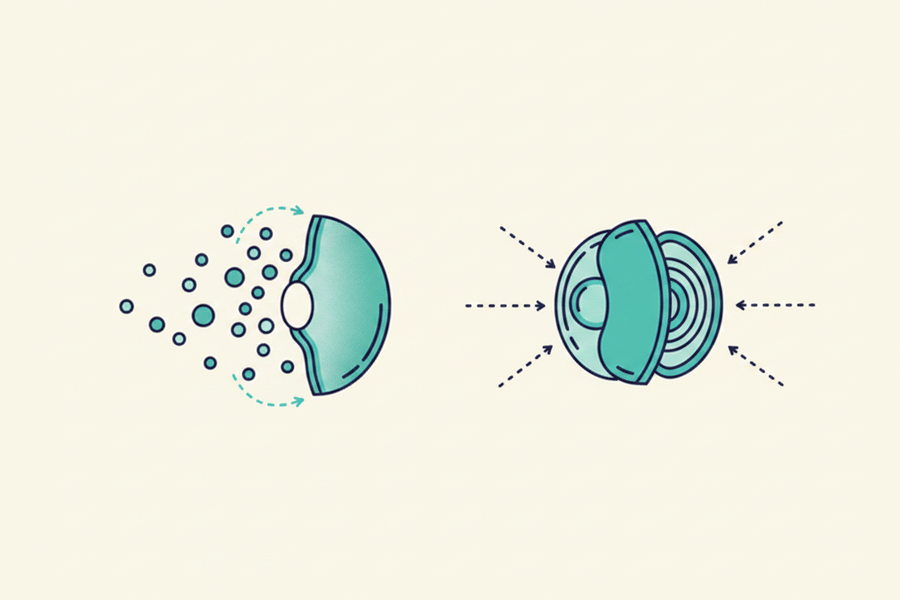
Dr. Ahmed Shaarawy treats cataracts using femtosecond laser-assisted surgery or phacoemulsification ("phaco"). Phaco is the most modern approach to cataract surgery: an ultrasound device fragments the clouded lens and removes it through a tiny incision. The surgeon then implants a foldable intraocular lens through an opening that may be as small as 1.8 mm, no sutures required. Anaesthesia is tailored to each patient's case, though topical (drop) anaesthesia is the most common choice.
When Does Vision Stabilise After Cataract Surgery?
Recovery varies from patient to patient, but most people see clearly within a few days and are back to normal activities within a week. A removed cataract does not come back. Some patients do later develop posterior capsular opacification (sometimes called "after-cataract"), a clouding of the membrane behind the lens implant, and this is treated quickly and painlessly with a YAG laser. Follow Cornea Clinic on Facebook.
Sources and references
Peer reviewed and professional sources used in the medical review of this article:
- CataractsNational Eye Institute · nei.nih.gov
- Cataracts (Seminar)Cicinelli et al., 2023 · The Lancet
- Cataracts (Seminar)Liu et al., 2017 · The Lancet