د. أحمد شعراوي × بشرى | أمراض العيون الفريدة في بيئتنا
نص الفيديو
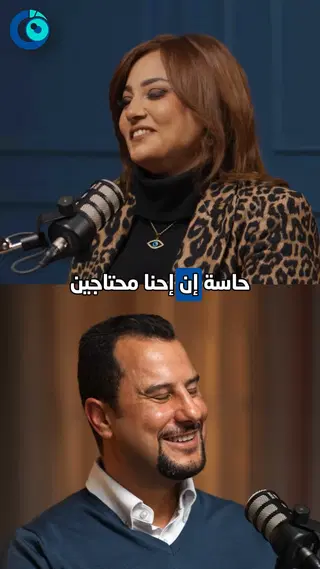
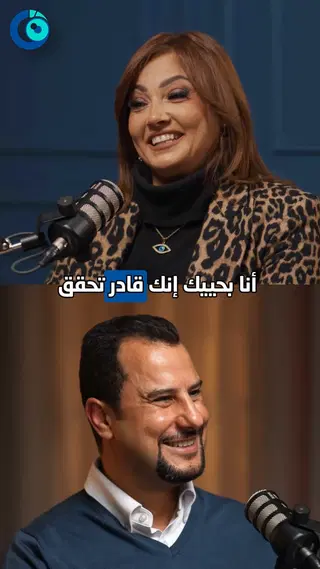
أبوسر، عندي سؤال هنا: ليه ممكن يبقى أنت عندك فكرة مش مطروحة عندهم قبل كده؟ هل لأن إحنا عندنا نوعية أمراض عموما في العيون والرمد وما إلى ذلك في مصر مش متعارف عليها عندهم هناك، يعني نابعة من بيئتنا إحنا؟ ساعات البيئة الجغرافية بتأثر على بعض الأجزاء في الجسم مثلا. دي حقيقة. هل ده كان عندك اطلاع على النوعية دي؟
دي حقيقة، لأن فعلا إحنا عندنا هنا أمراض جينية موجودة في الـ middle east مش موجودة عندهم، ونفس الشيء عندهم هم جينات مش موجودة عندنا. فطبعا إحنا بنـ excel في نوع معين من العمليات، حتى الـ development كله بتاعنا. يعني مثلا القرنية المخروطية موجودة عندنا في الـ area بتاعتنا مش موجودة عندهم، فإحنا كـ middle east بنـ innovate جدا في الـ techniques بتاعة العمليات دي وسابقينهم بمراحل.
وفي techniques جديدة. يعني أنا لسه ناشر من حوالي تلات سنين أو يمكن خمس سنين، مش فاكر التاريخ بالظبط، في الـ American Academy، ودي أعلى مؤسسة أمريكية في طب العيون، technique بتعامل بيه مع حالة من الحالات اللي كانت فيها صعوبة كبيرة إنها تتعامل: زرع جزئي.
الزرع الجزئي ده اللي هو بنقشر القشرة الخارجية من القرنية ونسيب طبقة رفيعة جدا. فطبعا عملية صعبة إني أقدر أفصل كل ده وأسيب الطبقة الرفيعة دي. فعملت techniques جديدة بآلات مختلفة، الآلات دي أصلا designed تستخدم في الشبكية واستخدمتها في القرنية، ونشرت ده وخد editorial choice. يعني ده كان أحسن فيديو اتنشر في الـ American Academy في الوقت اللي أنا بعت فيه.
هذا النص مُستخرج تلقائياً من الفيديو وقد يحتوي على أخطاء لغوية.
نص الفيديو بلغات أخرى
English
Abousar, I have a question here: why is it possible that you have an idea that had never been put forward over there before? Is it because in Egypt we generally have kinds of eye diseases, eye inflammations and so on that are not familiar to them over there, things that come out of our own environment? Sometimes the geographical environment affects certain parts of the body. That is true. Was that a category you had looked into?
That is true, because we really do have genetic diseases here in the Middle East that they do not have, and the same the other way round, they have genes that we do not have. So naturally we excel in a certain type of surgery, even the whole development of it is ours. For example, keratoconus exists here in our area and does not exist over there, so we in the Middle East innovate a lot in the techniques for these surgeries, and we are stages ahead of them.
And there are new techniques. About three years ago, or maybe five, I do not remember the exact date, I published in the American Academy, which is the highest American institution in ophthalmology, a technique for dealing with a type of case that used to be very difficult to handle: partial transplant.
A partial transplant is where we peel off the outer layer of the cornea and leave a very thin layer. Of course it is a difficult operation, to be able to separate all of that and leave this thin layer. So I developed new techniques using different instruments. These instruments were originally designed to be used in the retina and I used them in the cornea. I published that and it got the editorial choice. That means it was the best video published in the American Academy at the time I submitted it.
Auto-generated from the video audio and translated from the Arabic, may contain errors.
中文
Abousar,我这里有个问题:为什么你会有一个他们那边以前从来没有提出过的想法?是不是因为在埃及,我们这边普遍有一些眼部疾病、眼部炎症之类的情况,在他们那边并不常见,也就是说是源自我们自身环境的?有时候地理环境确实会影响身体的某些部位。这是事实。这一类情况你当时有了解吗?
这是事实,因为我们中东这边确实有一些遗传性疾病,他们那边没有;反过来也一样,他们有一些我们这边没有的基因。所以我们自然在某一类手术上做得特别出色,连整个技术的发展都是我们做出来的。比如圆锥角膜在我们这个地区很常见,他们那边没有,所以我们中东在这类手术的技术上非常有创新,领先他们好几个阶段。
还有一些新的技术。大概三年前,也可能是五年前,具体日期我记不清了,我在 American Academy 上发表过一个技术,那是美国眼科最高的机构。这个技术是用来处理一类以前非常难处理的病例:部分移植。
所谓部分移植,就是我们把角膜的外层剥掉,留下非常薄的一层。当然这是一台很难的手术,要能把这些都分离开,还要留下这层很薄的组织。所以我做了新的技术,用了不同的器械,这些器械原本是设计用在视网膜上的,我把它们用在角膜上。我把这个发表了出来,拿到了 editorial choice。也就是说,在我投稿的那个时期,它是 American Academy 上发表的最佳视频。
本文字由视频音频自动生成并从阿拉伯语翻译,可能包含错误。
Русский
Абусар, у меня тут вопрос: почему возможно, что у вас есть идея, которую там раньше никто не предлагал? Это потому, что у нас в Египте в целом есть такие глазные болезни, воспаления глаз и тому подобное, которые там не известны, то есть они идут от нашей собственной среды? Иногда географическая среда влияет на определенные части тела. Это правда. Вы изучали такие вещи?
Это правда, потому что у нас здесь, на Ближнем Востоке, действительно есть генетические заболевания, которых у них нет, и наоборот, у них есть гены, которых нет у нас. Поэтому мы, естественно, преуспеваем в определенном типе операций, даже все их развитие идет от нас. Например, кератоконус есть у нас в нашем регионе и его нет у них, поэтому мы на Ближнем Востоке очень много внедряем нового в techniques этих операций и опережаем их на несколько этапов.
И есть новые techniques. Примерно три года назад, а может пять, точную дату не помню, я опубликовал в American Academy, а это высшее американское учреждение в офтальмологии, технику для работы со случаями, с которыми раньше было очень трудно справляться: частичная пересадка.
Частичная пересадка, это когда мы снимаем наружный слой роговицы и оставляем очень тонкий слой. Конечно, это сложная операция, суметь все это разделить и оставить этот тонкий слой. Поэтому я разработал новые techniques с другими инструментами. Эти инструменты изначально были designed для использования на сетчатке, а я применил их на роговице. Я это опубликовал, и работа получила editorial choice. То есть это было лучшее видео, опубликованное в American Academy на тот момент, когда я его отправил.
Текст создан автоматически по аудиодорожке видео и переведён с арабского, возможны ошибки.
Français
Abousar, j'ai une question ici : pourquoi est-il possible que vous ayez une idée qui n'avait jamais été proposée là-bas auparavant ? Est-ce parce qu'en Égypte nous avons en général des types de maladies des yeux, des inflammations oculaires et ainsi de suite, qu'ils ne connaissent pas là-bas, des choses qui viennent de notre propre environnement ? Parfois l'environnement géographique influence certaines parties du corps. C'est vrai. Est-ce que vous vous étiez penché sur ce type de cas ?
C'est vrai, parce que nous avons effectivement ici, au Moyen-Orient, des maladies génétiques qu'ils n'ont pas, et inversement ils ont des gènes que nous n'avons pas. Donc, naturellement, nous excellons dans un certain type d'opérations, tout leur développement vient même de chez nous. Par exemple, le kératocône existe chez nous dans notre région et n'existe pas chez eux, donc nous, au Moyen-Orient, nous innovons beaucoup dans les techniques de ces opérations et nous avons plusieurs longueurs d'avance sur eux.
Et il y a de nouvelles techniques. Il y a environ trois ans, ou peut-être cinq, je ne me rappelle pas la date exacte, j'ai publié à l'American Academy, qui est la plus haute institution américaine en ophtalmologie, une technique pour traiter un type de cas qui était très difficile à gérer : la greffe partielle.
La greffe partielle, c'est quand on pèle la couche externe de la cornée et qu'on laisse une couche très fine. C'est bien sûr une opération difficile, arriver à séparer tout cela et laisser cette couche fine. J'ai donc mis au point de nouvelles techniques avec des instruments différents. Ces instruments étaient à l'origine conçus pour être utilisés dans la rétine et je les ai utilisés dans la cornée. J'ai publié cela et ça a obtenu l'editorial choice. C'est-à-dire que c'était la meilleure vidéo publiée à l'American Academy à l'époque où je l'ai envoyée.
Texte généré automatiquement à partir de l'audio de la vidéo et traduit de l'arabe, il peut contenir des erreurs.
Deutsch
Abousar, ich habe hier eine Frage: Wieso kann es sein, dass Sie eine Idee haben, die dort vorher nie vorgebracht wurde? Liegt es daran, dass wir in Ägypten generell Arten von Augenerkrankungen, Augenentzündungen und so weiter haben, die man dort drüben nicht kennt, also Dinge, die aus unserer eigenen Umgebung kommen? Manchmal wirkt sich die geografische Umgebung auf bestimmte Teile des Körpers aus. Das stimmt. Hatten Sie sich mit dieser Art von Fällen beschäftigt?
Das stimmt, denn wir haben hier im Middle East tatsächlich genetische Erkrankungen, die es dort nicht gibt, und umgekehrt haben sie Gene, die wir nicht haben. Deshalb sind wir natürlich in einer bestimmten Art von Operationen besonders stark, sogar die gesamte Entwicklung dazu kommt von uns. Zum Beispiel gibt es Keratokonus bei uns in unserer Region und dort nicht, also sind wir im Middle East sehr innovativ bei den Techniken dieser Operationen und ihnen mehrere Stufen voraus.
Und es gibt neue Techniken. Vor etwa drei Jahren, vielleicht auch fünf, ich weiß das genaue Datum nicht mehr, habe ich bei der American Academy, das ist die höchste amerikanische Institution in der Augenheilkunde, eine Technik veröffentlicht, mit der man eine Art von Fällen behandelt, die früher sehr schwer zu handhaben war: die partielle Transplantation.
Bei der partiellen Transplantation schälen wir die äußere Schicht der Hornhaut ab und lassen eine sehr dünne Schicht stehen. Das ist natürlich eine schwierige Operation, das alles trennen zu können und diese dünne Schicht stehen zu lassen. Also habe ich neue Techniken mit anderen Instrumenten entwickelt. Diese Instrumente waren ursprünglich für den Einsatz an der Netzhaut konzipiert, und ich habe sie an der Hornhaut eingesetzt. Ich habe das veröffentlicht und es hat den editorial choice bekommen. Das heißt, es war das beste Video, das zu der Zeit, als ich es eingereicht habe, bei der American Academy veröffentlicht wurde.
Automatisch aus der Tonspur des Videos erstellt und aus dem Arabischen übersetzt, kann Fehler enthalten.
Italiano
Abousar, ho una domanda qui: perché è possibile che tu abbia un'idea che lì non era mai stata proposta prima? È perché in Egitto abbiamo in generale dei tipi di malattie degli occhi, infiammazioni oculari e così via, che lì non conoscono, cioè cose che nascono dal nostro ambiente? A volte l'ambiente geografico influisce su certe parti del corpo. Questo è vero. Avevi guardato a questo tipo di casi?
È vero, perché qui nel Middle East abbiamo davvero malattie genetiche che loro non hanno, e allo stesso modo loro hanno geni che noi non abbiamo. Quindi naturalmente noi eccelliamo in un certo tipo di interventi, perfino tutto lo sviluppo è nostro. Per esempio, il cheratocono da noi, nella nostra area, c'è, mentre da loro non c'è, quindi noi come Middle East innoviamo moltissimo nelle tecniche di questi interventi e siamo avanti di diverse tappe rispetto a loro.
E ci sono tecniche nuove. Circa tre anni fa, o forse cinque, non ricordo la data esatta, ho pubblicato all'American Academy, che è la più alta istituzione americana in oftalmologia, una tecnica per trattare un tipo di casi che erano molto difficili da gestire: il trapianto parziale.
Il trapianto parziale è quando sbucciamo lo strato esterno della cornea e lasciamo uno strato sottilissimo. Ovviamente è un intervento difficile, riuscire a separare tutto questo e lasciare quello strato sottile. Così ho messo a punto tecniche nuove con strumenti diversi. Questi strumenti erano stati progettati in origine per essere usati sulla retina e io li ho usati sulla cornea. Ho pubblicato tutto questo e ha ottenuto l'editorial choice. Cioè è stato il miglior video pubblicato all'American Academy nel periodo in cui l'ho inviato.
Generato automaticamente dall'audio del video e tradotto dall'arabo, può contenere errori.
احجز موعدك الآن
خطوات بسيطة لحجز استشارتك مع د. أحمد شعراوي
صفحات قد تهمك
تعرف على الإجراءات والحاسبات المرتبطة بهذا الفيديو
زراعة القرنية، كل التقنيات الحديثة في مكان واحد
DMEK، DSAEK، DALK، PKP، الاختيار الأنسب لحالتك.
اعرف المزيدعلاج القرنية المخروطية، تشخيص دقيق وخطة شخصية
تثبيت القرنية، حلقات Keraring، وزراعة في الحالات المتقدمة.
اعرف المزيدتصحيح الإبصار بالليزر، وداعاً للنظارات والعدسات
LASIK وFemto-LASIK وSMILE وPRK، الإجراء المناسب لقرنيتك.
اعرف المزيد
مقالات طبية ذات صلة
اقرأ المزيد بأسلوب مبسط من د. أحمد شعراوي