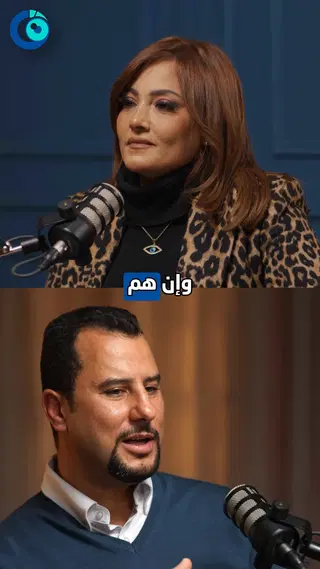
د. أحمد شعراوي × بشرى | متى تتخذ قرار التدخل الجراحي؟
نص الفيديو
عارف، في اللغة البلدي بتاعتنا بيقولك: قبل العملية حمادة، وبعد العملية حمادة تاني خالص. حقيقة، دي حقيقة. فهي فعلا يعني التدخلات اللي في وقتها المناسب، أعتقد فيها عنصر الوقت كمان، وبالتالي بيبقى قرار صعب على الدكتور.
قرار صعب، لأن كانوا دايما يعلمونا في الطب إن مش سهل إنك تشخّص. سهل إنك تقول أنت ليك علاج، لكن إمتى تقول أنت ملكش، أو أنا مش هتدخل؟ فإمتى الدكتور يقول أنت ليك علاج، وإمتى يقول مالكش علاج؟ هو ده الخبرة، هو ده الـ experience اللي مر بيها بالحالات اللي شافها، بالقرايات، بالـ training.
فطبعا هو قرار مش سهل، إن أنا إمتى أتدخل وإمتى أقول للمريض: لأ، خد علاج وبعدين نتقابل. لأ، أنت معندكش حاجة. لأ، مفيش استفادة. في خبرة ورا الكلام ده، إن احنا نقدر نجاوب السؤال في لقطة. وهي لقطة يعني، المريض اللي أنا بشوفه عنده مثلا حاجة لازم أتدخل بكرا، أنا لو دخلت بعده أنا رحت في حتة تانية. فالتدخل السريع لازم يكون مع دكتور خبير يبقى عارف.
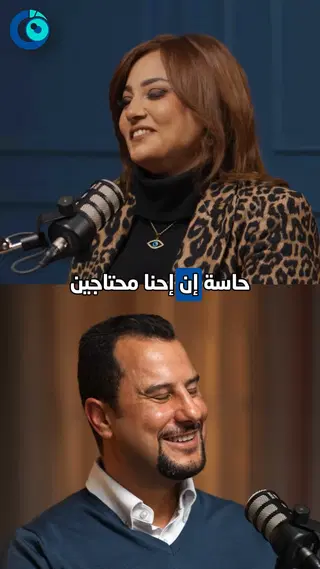
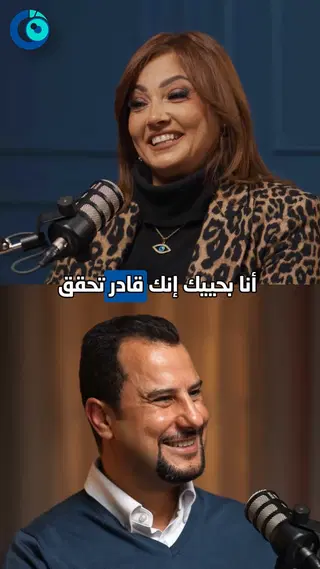
أقول لكم يا جماعة، دكتور أحمد شعراوي من أسرع الجراحين وأكثرهم دقة. الحقيقة دي معروفة عنه، يعني كل الناس تعرف عنه ده. وأنا مش بقول كده عشان هو صديقي، لكن هي الحقيقة إن دي من الحاجات المشهورة عنك: فكرة الدقة مع السرعة. ولذلك أنت بتحب التركيز داخل غرفة العمليات، يعني إنك مابتحبش الكلام، وبتحب إنك فعلا تأدي المهمة على أكمل وجه في وقت قياسي.
هذا النص مُستخرج تلقائياً من الفيديو وقد يحتوي على أخطاء لغوية.
نص الفيديو بلغات أخرى
English
You know, the way we say it in our local slang: before the operation he's Hamada, and after the operation he's a completely different Hamada. That's true, it really is. So yes, interventions done at the right time, I think there's a time element in it too, and that makes it a hard decision for the doctor.
A hard decision, because in medicine they always taught us that making the diagnosis is not the easy part. It's easy to tell someone, there is a treatment for you. But when do you tell him, there's nothing for you, or, I'm not going to operate? So when does the doctor say you have a treatment, and when does he say there's no treatment for you? That's experience. That's the experience he has built up from the cases he has seen, from reading, from training.
So of course it's not an easy decision, when do I operate and when do I tell the patient: no, take some medication and then we'll meet again. Or no, there's nothing wrong with you. Or no, there's no benefit in it. There's experience behind these words, so that we can answer the question in a moment. And it really is a moment: the patient I see who, say, has something where I have to operate tomorrow, if I operate after that, I'm in a completely different place. So quick intervention has to be with an experienced doctor who knows.
Let me tell you all something: Dr. Ahmed Shaarawy is one of the fastest and most precise surgeons. That's really something he's known for, everybody knows that about him. And I'm not saying it because he's my friend, but the truth is this is one of the things you are famous for: the idea of precision together with speed. And that's why you like concentration inside the operating room, you don't like talking, and you really like to do the job perfectly in record time.
Auto-generated from the video audio and translated from the Arabic, may contain errors.
中文
你知道,我们用老百姓的话说:手术前是一个哈玛达,手术后完全是另一个哈玛达。这是真的,确实是真的。所以说,在合适的时机做的干预,我觉得里面也有一个时间的因素,因此对医生来说这是一个艰难的决定。
很艰难的决定,因为在医学里他们一直教我们:作出诊断并不是容易的部分。告诉病人你有治疗办法,这很容易。但什么时候你要告诉他,你没有办法了,或者说我不做手术?那么医生什么时候说你有治疗,什么时候说你没有治疗?这就是经验,这就是他从看过的病例、从阅读、从 training 中积累起来的 experience。
所以这当然不是一个容易的决定:我什么时候该动手,什么时候该对病人说,不用,先吃点药,然后我们再见面;或者说,不,你没什么问题;或者说,不,做了也没有益处。这些话背后是有经验的,才能让我们在一瞬间回答这个问题。而这确实就是一瞬间:比如我看到的这个病人,他的情况我明天就必须手术,如果我晚一点才做,那就完全是另一回事了。所以快速的干预必须交给一位有经验、心里有数的医生。
我跟大家说,沙拉维医生是最快、也是最精准的外科医生之一。这一点大家真的都知道,所有人都清楚他这一点。我这么说不是因为他是我的朋友,而是事实就是,这是你最有名的一点:精准加上速度。所以你喜欢在手术室里保持专注,也就是说你不喜欢聊天,你真的希望在极短的时间里把任务做到最完美。
本文字由视频音频自动生成并从阿拉伯语翻译,可能包含错误。
Русский
Знаете, у нас в народе говорят так: до операции он один человек, а после операции совсем другой. И это правда, действительно правда. Так что да, вмешательства, сделанные в нужный момент, я думаю, здесь есть и фактор времени, и поэтому для врача это трудное решение.
Трудное решение, потому что в медицине нас всегда учили, что поставить диагноз, это не самое простое. Легко сказать человеку: для тебя есть лечение. А вот когда сказать ему: для тебя ничего нет, или: я не буду оперировать? Так когда врач говорит, что лечение есть, и когда говорит, что лечения нет? Вот это и есть опыт, тот самый experience, который он накопил из случаев, которые видел, из чтения, из training.
Так что, конечно, это непростое решение: когда мне вмешиваться, а когда сказать пациенту: нет, возьмите лекарство, а потом встретимся. Или: нет, у вас ничего нет. Или: нет, пользы от этого не будет. За этими словами стоит опыт, который позволяет нам ответить на вопрос за мгновение. И это действительно мгновение: пациент, у которого, скажем, есть что-то такое, что я должен оперировать завтра, и если я сделаю это позже, я уже окажусь совсем в другой ситуации. Поэтому быстрое вмешательство должно быть в руках опытного врача, который знает, что делает.
Скажу вам, друзья: доктор Ахмед Шаарави, один из самых быстрых и самых точных хирургов. Это действительно то, чем он известен, все это про него знают. И я говорю это не потому, что он мой друг, а потому что это правда, это одна из вещей, которыми ты известен: точность вместе со скоростью. Именно поэтому ты любишь сосредоточенность в операционной, то есть не любишь разговоры, и хочешь действительно выполнить задачу наилучшим образом за рекордное время.
Текст создан автоматически по аудиодорожке видео и переведён с арабского, возможны ошибки.
Français
Tu sais, chez nous on dit, dans notre langage populaire: avant l'opération c'est une personne, et après l'opération c'est une tout autre personne. C'est vrai, c'est vraiment vrai. Donc oui, les interventions faites au bon moment, je pense qu'il y a aussi le facteur temps là-dedans, et du coup c'est une décision difficile pour le médecin.
Une décision difficile, parce qu'en médecine on nous a toujours appris que poser le diagnostic n'est pas le plus facile. C'est facile de dire à quelqu'un: il y a un traitement pour toi. Mais quand est-ce que tu lui dis: il n'y a rien pour toi, ou: je ne vais pas opérer? Alors quand est-ce que le médecin dit qu'il y a un traitement, et quand est-ce qu'il dit qu'il n'y en a pas? C'est ça, l'expérience. C'est cet experience accumulé grâce aux cas qu'il a vus, grâce aux lectures, grâce au training.
Donc bien sûr, ce n'est pas une décision facile: quand est-ce que j'interviens et quand est-ce que je dis au patient: non, prenez un traitement et on se revoit après. Ou: non, vous n'avez rien. Ou: non, ça n'apportera aucun bénéfice. Il y a de l'expérience derrière ces mots, pour qu'on puisse répondre à la question en un instant. Et c'est vraiment un instant: le patient que je vois et qui a, disons, quelque chose qu'il faut opérer demain, si j'opère plus tard, je me retrouve dans une situation complètement différente. Donc l'intervention rapide doit se faire avec un médecin expérimenté, qui sait ce qu'il fait.
Je vous le dis, les amis: le docteur Ahmed Shaarawy est l'un des chirurgiens les plus rapides et les plus précis. C'est vraiment connu de lui, tout le monde le sait. Et je ne dis pas ça parce qu'il est mon ami, mais c'est la vérité, c'est l'une des choses pour lesquelles tu es connu: la précision avec la rapidité. Et c'est pour ça que tu aimes la concentration dans la salle d'opération, c'est-à-dire que tu n'aimes pas les bavardages, et que tu veux vraiment accomplir la tâche parfaitement, en un temps record.
Texte généré automatiquement à partir de l'audio de la vidéo et traduit de l'arabe, il peut contenir des erreurs.
Deutsch
Weißt du, bei uns sagt man es so im Volksmund: vor der Operation ist er der eine Mensch, und nach der Operation ein völlig anderer. Das ist wahr, das ist wirklich wahr. Also ja, Eingriffe zum richtigen Zeitpunkt, ich glaube, da spielt auch der Faktor Zeit mit, und deshalb ist es für den Arzt eine schwere Entscheidung.
Eine schwere Entscheidung, denn in der Medizin haben sie uns immer beigebracht, dass die Diagnose nicht das Einfache ist. Es ist leicht, jemandem zu sagen: für dich gibt es eine Behandlung. Aber wann sagst du ihm: für dich gibt es nichts, oder: ich werde nicht operieren? Wann sagt der Arzt also, es gibt eine Behandlung, und wann sagt er, es gibt keine? Das ist Erfahrung. Das ist die experience, die er aus den Fällen mitgenommen hat, die er gesehen hat, aus dem Lesen, aus dem training.
Es ist also natürlich keine leichte Entscheidung: wann greife ich ein und wann sage ich dem Patienten: nein, nehmen Sie ein Medikament und dann sehen wir uns wieder. Oder: nein, Sie haben nichts. Oder: nein, das bringt keinen Nutzen. Hinter diesen Worten steckt Erfahrung, damit wir die Frage in einem Augenblick beantworten können. Und es ist wirklich ein Augenblick: der Patient, den ich sehe und der zum Beispiel etwas hat, wo ich morgen operieren muss, wenn ich später operiere, bin ich in einer ganz anderen Situation. Deshalb muss ein schneller Eingriff bei einem erfahrenen Arzt liegen, der weiß, was er tut.
Ich sage euch, Leute: Dr. Ahmed Shaarawy ist einer der schnellsten und präzisesten Chirurgen. Dafür ist er wirklich bekannt, das wissen alle Leute über ihn. Und ich sage das nicht, weil er mein Freund ist, sondern weil es die Wahrheit ist, das ist eine der Sachen, für die du bekannt bist: Präzision zusammen mit Schnelligkeit. Und deshalb magst du die Konzentration im Operationssaal, das heißt, du magst kein Gerede, und du willst die Aufgabe wirklich perfekt erledigen, in Rekordzeit.
Automatisch aus der Tonspur des Videos erstellt und aus dem Arabischen übersetzt, kann Fehler enthalten.
Italiano
Sai, nel nostro modo di dire popolare si dice: prima dell'operazione è una persona, e dopo l'operazione è una persona completamente diversa. È vero, è proprio vero. Quindi sì, gli interventi fatti al momento giusto, penso che ci sia dentro anche il fattore tempo, e per questo diventa una decisione difficile per il medico.
Una decisione difficile, perché in medicina ci hanno sempre insegnato che fare la diagnosi non è la parte facile. È facile dire a qualcuno: per te c'è una cura. Ma quando gli dici: per te non c'è niente, oppure: io non intervengo? Allora quando il medico dice che c'è una cura e quando dice che non c'è? Questa è l'esperienza. È quell'experience che ha accumulato dai casi che ha visto, dalle letture, dal training.
Quindi certo, non è una decisione facile: quando intervenire e quando dire al paziente: no, prenda una terapia e poi ci rivediamo. Oppure: no, lei non ha niente. Oppure: no, non ci sarebbe alcun beneficio. Dietro queste parole c'è esperienza, per poter rispondere alla domanda in un attimo. E davvero è un attimo: il paziente che vedo e che ha, per esempio, qualcosa per cui devo operare domani, se opero più tardi mi ritrovo in una situazione completamente diversa. Quindi l'intervento rapido deve essere nelle mani di un medico esperto, che sa quello che fa.
Ve lo dico, ragazzi: il Dr. Ahmed Shaarawy è uno dei chirurghi più rapidi e più precisi. Questa cosa è davvero nota di lui, tutti lo sanno. E non lo dico perché è mio amico, ma perché è la verità, è una delle cose per cui sei famoso: la precisione insieme alla velocità. Ed è per questo che ti piace la concentrazione dentro la sala operatoria, cioè non ti piacciono le chiacchiere, e vuoi davvero portare a termine il compito nel modo migliore, in un tempo record.
Generato automaticamente dall'audio del video e tradotto dall'arabo, può contenere errori.
احجز موعدك الآن
خطوات بسيطة لحجز استشارتك مع د. أحمد شعراوي
صفحات قد تهمك
تعرف على الإجراءات والحاسبات المرتبطة بهذا الفيديو
زراعة القرنية، كل التقنيات الحديثة في مكان واحد
DMEK، DSAEK، DALK، PKP، الاختيار الأنسب لحالتك.
اعرف المزيدعلاج القرنية المخروطية، تشخيص دقيق وخطة شخصية
تثبيت القرنية، حلقات Keraring، وزراعة في الحالات المتقدمة.
اعرف المزيدتصحيح الإبصار بالليزر، وداعاً للنظارات والعدسات
LASIK وFemto-LASIK وSMILE وPRK، الإجراء المناسب لقرنيتك.
اعرف المزيد
مقالات طبية ذات صلة
اقرأ المزيد بأسلوب مبسط من د. أحمد شعراوي