

cornea
القرنية المخروطية: الدليل الشامل للأسباب والأعراض وأحدث طرق العلاج (2026)
٢٠ مايو ٢٠٢٦


استشاري جراحة القرنية والليزك
أداة مجانية
DALK · PKP · DMEK · DSAEK — تقدير شخصي فوري بناءً على حالتك
📖 الدليل الشامل
هذا المقال جزء من سلسلة. للحصول على الصورة الكاملة، اقرأ زراعة القرنية في مصر: الدليل الشامل ←
تؤثّر أمراض القرنية واختلال الطبقة البطانية على ملايين الأشخاص حول العالم، وقد تتسبّب في فقدان الإبصار وحتى العمى الدائم إذا أُهملت. في القاهرة باتت لدى المرضى الآن إمكانية الوصول إلى أحدث إجراءات زراعة القرنية على يد أطباء متخصّصين مثل د. أحمد شعراوي، الذي يقدّم خبرة موثّقة في أحدث تقنيات الزراعة. يشرح لك هذا الدليل الشامل خياراتك في زراعة القرنية، والفروق بين الإجراءات، والمدد الزمنية للتعافي، ولماذا أصبحت القاهرة وجهة موثوقة لجراحات القرنية المتقدّمة.
زراعة القرنية (Keratoplasty) هي إجراء جراحي يُستبدل فيه جزء من قرنية مريضة أو مُتندِّبة بنسيج قرنية متبرَّع به سليم. القرنية هي الطبقة الأمامية الشفافة على شكل قبّة في مقدّمة العين، وهي المسؤولة عن تركيز الضوء على الشبكية. وعندما تصبح القرنية معتمة أو متندّبة أو متورّمة، فإنها تعيق الرؤية وقد تتسبّب في إعاقة وظيفية كبيرة.
وفقاً للأكاديمية الأمريكية لطب العيون (AAO)، تُعدّ زراعة القرنية واحدة من أنجح عمليات زراعة الأنسجة في العالم، وتسجّل نسب بقاء مرتفعة. وعلى عكس زراعات الأعضاء الأخرى، لا تتطلّب القرنية مطابقة فصيلة الدم بين المتبرّع والمستقبِل، كما أن خطر رفض القرنية المزروعة يُعدّ منخفضاً نسبياً بسبب الامتياز المناعي الذي تتميّز به القرنية.
تُمثّل تقنية زراعة القرنية البطانية (DMEK) أحدث صور زراعة القرنية المتاحة اليوم. يشمل هذا الإجراء استبدال الطبقة الداخلية الأعمق من القرنية فقط — أي غشاء ديسميه (Descemet) والخلايا البطانية الملتصقة به — دون استبدال القرنية بكامل سُمكها. ويتمّ الإجراء عبر شقّ جراحي دقيق جداً (2 إلى 3 ملّيمترات)، مما يجعله إجراءً أقلّ توغّلاً.
تُقدّم المراكز المتقدّمة التي يقودها متخصّصو القرنية ذوو الخبرة تقنية DMEK كأسلوب جراحي مُحكم. وتوفّر DMEK عدّة مزايا بحسب الأبحاث المنشورة في الدوريات العلمية المُحكّمة، أبرزها: تعافٍ بصري أسرع (يستقرّ الإبصار عادةً خلال 4 إلى 8 أسابيع)، وتقليل التندّب القرني إلى الحدّ الأدنى، ونِسب رفض أقلّ مقارنةً بالتقنيات الأقدم، فضلاً عن جودة بصرية نهائية أفضل. كما توثّق الدراسات المنشورة في الدوريات المُحكّمة أن القرنية المزروعة بتقنية DMEK تحقّق نِسب بقاء قوية عند خمس سنوات إذا أُجريت في الحالات المناسبة.
تُعدّ DMEK مثالية للمرضى المصابين بحثل فوكس البطاني (Fuchs Endothelial Dystrophy)، واعتلال القرنية الفقاعي بعد جراحات المياه البيضاء، وفشل الطبقة البطانية بعد جراحات العين السابقة. وبما أن الإجراء يحافظ على شكل القرنية وخصائصها الميكانيكية الحيوية، فإن الجودة البصرية تكون عادةً ممتازة، ويصل كثير من المرضى إلى إبصار جيّد جداً دون نظّارات.
زراعة القرنية البطانية الجزئية (DSAEK) هي تقنية أقدم لزراعة الطبقة البطانية سبقت ظهور DMEK. وعلى غرار DMEK، تستبدل DSAEK الطبقات الداخلية للقرنية فقط، غير أن القرنية المزروعة هنا أكثر سُمكاً قليلاً (نحو 150 ميكرون مقارنةً بـ 130 ميكرون في DMEK). وهذا يزيد من تأثيرها على قياس النظر، وقد يؤدّي إلى تحوّل بسيط نحو قِصَر النظر.
كانت DSAEK نقلةً نوعية حين ظهرت لأوّل مرّة، ولا تزال خياراً فعّالاً وراسخاً للحالات المناسبة. والتعافي معها سريع نسبياً، إذ تعود الرؤية الوظيفية خلال 8 إلى 12 أسبوعاً. وقد تُعاني القرنية المزروعة بتقنية DSAEK من فقد أعلى للخلايا البطانية بمرور الوقت مقارنةً بـ DMEK، كما أن زيادة سُمك النسيج المزروع قد تُحدث أحياناً درجات بسيطة من الاستجماتيزم.
قد يُوصى بإجراء DSAEK للمرضى الذين تُصعّب معطياتهم التشريحية إجراء DMEK من الناحية التقنية، أو في حالات معيّنة تُشير فيها التشريح إلى أن DSAEK هو الخيار الأمثل. ولا تزال نتائج DSAEK الحديثة ممتازة في الحالات التي يجري اختيارها بعناية.
تشمل زراعة القرنية النافذة (PKP) استبدال قرص قرني كامل السُمك يحوي الطبقات الخمس للقرنية. وهي الأكثر توغّلاً بين التقنيات الثلاث، وأصبحت الآن مخصّصة عادةً للحالات التي يفرض فيها التندّب الأمامي للقرنية، أو القرنية المخروطية (Keratoconus)، أو توسّع القرنية، أو أمراض الطبقة الظهارية والسدوية، استبدال القرنية بكامل سُمكها.
تتطلّب PKP شقّاً جراحياً أكبر (يتراوح قطره عادةً بين 7.5 و8 ملّيمترات)، كما تستلزم استخدام غُرز قرنية تظلّ في مكانها لمدّة 12 إلى 24 شهراً. والتعافي البصري معها أبطأ، ويستغرق غالباً 6 إلى 12 شهراً حتى يستقرّ الإبصار. كما أن خطر رفض القرنية المزروعة في PKP يكون أعلى منه في تقنيات الزراعة البطانية، ويصاحب الإجراء احتمال بسيط لحدوث استجماتيزم في حال عدم انتظام توزيع الغُرز.
ورغم هذه الاعتبارات، تظلّ PKP إجراءً أساسياً لعلاج أمراض القرنية الأمامية، وتُحقّق نتائج ممتازة على المدى الطويل عند إجرائها على يد جرّاحين ذوي خبرة. وكثيراً ما تُحقّق القرنية المزروعة بتقنية PKP عمراً يُقاس بعقود من السنين مع الالتزام بالرعاية المناسبة بعد العملية.
| الإجراء | حجم الشق الجراحي | مدّة التعافي البصري | خطر الرفض | جودة الإبصار | الأنسب لـ |
|---|---|---|---|---|---|
| DMEK | شقّ دقيق 2 إلى 3 ملّيمترات | 4 إلى 8 أسابيع | الأقلّ بين الخيارات | ممتازة | حثل فوكس، اعتلال القرنية الفقاعي، الحالات بدون تندّب يُذكر |
| DSAEK | شقّ 3 إلى 4 ملّيمترات | 8 إلى 12 أسبوعاً | متوسّط | جيّدة جداً | أمراض الطبقة البطانية، والحالات التي يصعب فيها إجراء DMEK تقنياً |
| PKP | شقّ أكبر 7.5 إلى 8 ملّيمترات | 6 إلى 12 شهراً | الأعلى بين الخيارات | جيّدة إلى ممتازة | التندّب الأمامي، القرنية المخروطية، توسّع القرنية المتقدّم |
تُوصف زراعة القرنية حين يتسبّب مرض القرنية في ضعف بصري ملحوظ لا يمكن التعامل معه بالنظّارات أو العدسات اللاصقة أو العلاج الدوائي. ومن أبرز دواعي الإجراء:
ليس كلّ المرضى مرشّحين لكلّ أنواع الإجراءات. فالمرشّحون لـ DMEK يحتاجون إلى كثافة كافية من الخلايا البطانية وأن يكون التندّب الأمامي محدوداً. أمّا المرشّحون لـ PKP فكثيراً ما يعانون من أمراض في الطبقة الأمامية لا تتناسب مع تقنيات الزراعة البطانية. ولذلك يحدّد التقييم الشامل قبل الجراحة الإجراءَ الأمثل لكلّ مريض.
قبل إجراء جراحة زراعة القرنية، يخضع المريض لمجموعة مفصّلة من الفحوصات تشمل:
هذا التقييم الشامل يضمن اختيار المرضى المناسبين والوصول إلى أفضل النتائج الجراحية.
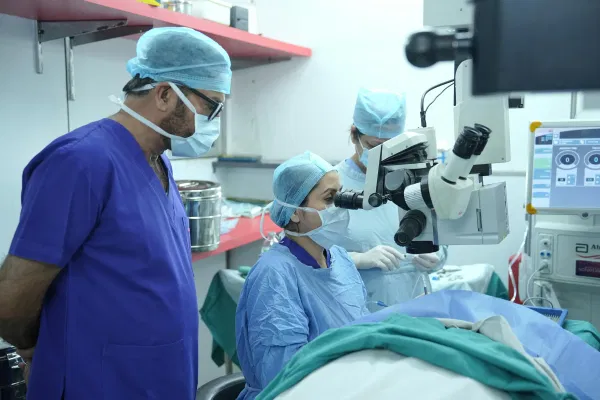
تُجرى DMEK تحت تكبير المجهر الجراحي وبتخدير موضعي بالقطرة. يُحدث الجرّاح شقّاً صغيراً في الغرفة الأمامية، ثم يُزيل غشاء ديسميه المريض بعناية باستخدام أداة متخصّصة. بعد ذلك تُحقن القرنية المزروعة من المتبرّع عبر الشقّ الصغير باستخدام قاذف خاص، ثم تُفرد داخل العين وتُثبّت في مواجهة السطح الخلفي للقرنية. ثم تُحقن فقاعة هواء للضغط على القرنية المزروعة في مكانها حتى تلتصق الخلايا البطانية. ويستغرق الإجراء عادةً 20 إلى 45 دقيقة بحسب درجة تعقيد الحالة والعوامل الجراحية.
تتبع DSAEK مبادئ مماثلة لكن باستخدام نسيج مزروع أكثر سُمكاً قليلاً. تُحضَّر القرنية المزروعة بسُمك مناسب، ثم تُدخل عبر شقّ أكبر قليلاً وتُوضع في الجزء الخلفي للقرنية. وتُستخدم فقاعة هواء لتثبيتها. وتستغرق DSAEK عادةً 30 إلى 50 دقيقة.
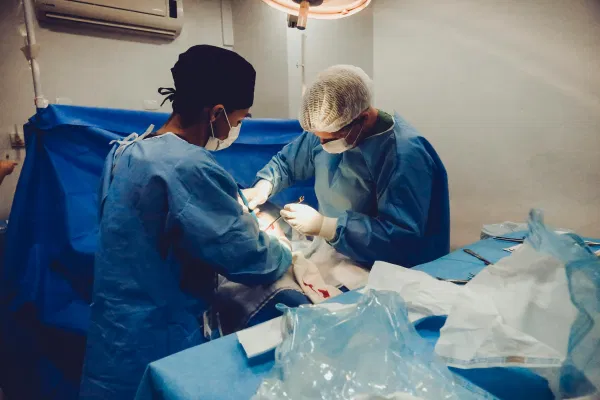
تشمل PKP استبدال القرنية بكامل سُمكها. يستخدم الجرّاح أداة قطع دائرية (Trephine) لإزالة قرص من القرنية المريضة. ثم تُوضع قرنية متبرَّعة بالحجم المطابق وتُثبَّت بغُرز جراحية حول منطقة التماس بين القرنية المزروعة والمستقبِلة. وتظلّ الغُرز في مكانها مدّة 12 إلى 24 شهراً ريثما تلتئم القرنية. وتستغرق الجراحة عادةً 60 إلى 90 دقيقة بحسب درجة التعقيد.
بعد إجراء DMEK أو DSAEK، يجب على المريض الالتزام الصارم بوضعية الاستلقاء على الظهر للحفاظ على فقاعة الهواء وضغطها على القرنية المزروعة. وتُستخدم قطرات المضادات الحيوية والكورتيكوستيرويدات الموضعية بشكل متكرّر. وتظلّ الرؤية ضبابية في هذه المرحلة. أمّا في حالة PKP، فيُوضع غطاء واقٍ على العين، وتُقيَّد بعض الأنشطة.
في حالة DMEK وDSAEK تُعاد امتصاص فقاعة الهواء طبيعياً، ويبدأ الإبصار في التحسّن تدريجياً. أمّا في حالة PKP فتظلّ الرؤية ضبابية، فيما تدعم الغُرز القرنية المزروعة. ويلتزم جميع المرضى بزيارات متابعة متكرّرة لمراقبة سلامة القرنية المزروعة ورصد أيّ علامات للالتهاب أو الرفض.
عادةً ما يصل مرضى DMEK إلى رؤية وظيفية خلال أسابيع. ويحتاج مرضى DSAEK إلى فترة تعافٍ أطول قليلاً. أمّا مرضى PKP فيشهدون تحسّناً أبطأ، إذ تتطوّر الرؤية الوظيفية على مدى أشهر. ويستقرّ خطأ الانكسار تدريجياً خلال هذه الفترة، وتستمرّ قطرات الكورتيكوستيرويدات مع تقليل جرعاتها تدريجياً.
تستمرّ الرؤية في التحسّن. وفي حالة مرضى PKP تُزال الغُرز عادةً بعد عدّة أشهر من العملية، وقد يتغيّر مقاس النظر بعد إزالتها. وتشمل المتابعة طويلة المدى زيارات منتظمة لطبيب العيون لمراقبة بقاء القرنية المزروعة، ورصد أيّ علامات رفض، ومتابعة قياس النظر، واكتشاف أيّ مضاعفات مبكراً.
يحدث رفض القرنية المزروعة عندما يهاجم الجهاز المناعي النسيج المتبرَّع به. وتشمل الأعراض احمرار العين والألم والدمع وحساسية الضوء وتراجعاً مفاجئاً في الإبصار. وعلى عكس رفض زراعات الأعضاء الأخرى، يمكن في كثير من الأحيان عكس مسار رفض القرنية بالعلاج المكثّف بقطرات الكورتيكوستيرويدات إذا اكتُشف مبكراً.
ويزداد خطر الرفض في الحالات التالية:
وتعتمد الوقاية على الالتزام الصارم بنظام قطرات الكورتيكوستيرويدات (وغالباً ما يستمرّ مدى الحياة بمعدّل أقلّ مع مرور الوقت)، والإبلاغ الفوري للجرّاح عن أيّ أعراض في العين.
على الرغم من أن زراعة القرنية تتمتّع بنسب نجاح عالية، فثمّة مضاعفات محتملة منها:
ويعمل الجرّاحون ذوو الخبرة على تقليل هذه المخاطر إلى أدنى حدّ من خلال إتقان الأسلوب الجراحي والاختيار الدقيق للمرضى. وتختلف النتائج باختلاف سبب المرض ومدى التزام المريض وعوامل فردية أخرى.
د. أحمد شعراوي هو استشاري قرنية ذو خبرة، يُقدّم خدمات جراحات القرنية الشاملة في القاهرة. وتشمل خلفيته وخبراته:
يجمع د. شعراوي بين التدريب الدولي والخبرة الجراحية الواسعة والالتزام بالرعاية الشخصية لكلّ مريض، ليُقدّم خدمات جراحات القرنية في القاهرة بأعلى معايير الجودة.
تظلّ تكلفة زراعة القرنية في القاهرة أقلّ بكثير من تكلفتها في الدول الغربية، مع الحفاظ على معايير جودة احترافية. وتتفاوت الأسعار بحسب نوع الإجراء والعوامل الفردية لكلّ حالة:
تشمل هذه الأسعار عادةً تكلفة الإجراء الجراحي، ونسيج القرنية المتبرَّع به، والأدوية اللازمة بعد العملية، وزيارات المتابعة خلال أوّل 3 إلى 6 أشهر. ويُنصح المرضى بالتواصل مع العيادة مباشرةً للحصول على تفاصيل دقيقة عن الأسعار، ومناقشة خيارات الدفع والتقسيط المتاحة.
برزت القاهرة كوجهة موثوقة لجراحات القرنية المتقدّمة بفضل عدّة عوامل:
كم تستمرّ القرنية المزروعة؟
يختلف عمر القرنية المزروعة باختلاف نوع الزراعة، وعمر المريض، والمرض الأصلي، ومدى الالتزام بالرعاية بعد العملية. وقد تستمرّ القرنية المزروعة في أداء وظيفتها لسنوات طويلة أو لعقود مع المتابعة والرعاية المناسبة. وتختلف النتائج بشكل ملحوظ من حالة إلى أخرى.
هل سأحتاج إلى نظّارات بعد زراعة القرنية؟
كثير من المرضى يحتاجون إلى نظّارات أو عدسات لاصقة بعد زراعة القرنية للوصول إلى أفضل مستوى للرؤية. وتعتمد الحاجة إلى وسيلة تصحيح بصري على نوع الإجراء، وقياس النظر قبل العملية، ونمط التئام كلّ مريض. ويستقرّ مقاس نظرك بعد عدّة أشهر من العملية، وعندها يمكن وصف النظّارات إذا لزم الأمر.
هل يمكن أن تُرفض القرنية المزروعة؟
نعم، رفض القرنية المزروعة أمر ممكن. غير أن نِسب الرفض منخفضة نسبياً مع التقنيات الجراحية الحديثة والرعاية الجيّدة بعد العملية. والاكتشاف المبكر لأعراض الرفض (الاحمرار والألم وضعف الإبصار) والعلاج الفوري بقطرات الكورتيكوستيرويدات يُساعد على الحفاظ على القرنية المزروعة. ويُوصى عادةً بالاستمرار في قطرات الكورتيكوستيرويدات مدى الحياة بمعدّل متناقص للحدّ من خطر الرفض.
كم تستغرق العملية الجراحية؟
تستغرق DMEK عادةً من 20 إلى 45 دقيقة. أمّا DSAEK فتستغرق من 30 إلى 50 دقيقة. وتستغرق PKP من 60 إلى 90 دقيقة بحسب درجة التعقيد. وهذه المدد تعكس وقت الجراحة الفعلي، ولا تشمل التحضيرات قبل العملية أو فترة الملاحظة بعدها.
متى أستطيع العودة إلى أنشطتي الطبيعية؟
تختلف القيود على النشاط بعد العملية بحسب نوع الإجراء، وينبغي على المريض اتّباع توصيات الجرّاح المحدّدة. وبشكل عام، ينتقل المريض تدريجياً من اشتراطات الوضعية الصارمة إلى مستويات نشاط متزايدة على مدى أسابيع وشهور. وسيُقدّم لك جرّاحك إرشادات مفصّلة عن النشاط بعد العملية مُصمّمة خصّيصاً لإجرائك ومسار التئامك.
ما هي نسبة نجاح زراعة القرنية؟
تختلف نسب نجاح زراعة القرنية باختلاف نوع الإجراء، ودواعي العملية، واختيار المريض، وخبرة الجرّاح. ويُقاس النجاح عادةً ببقاء القرنية المزروعة (أي عدم الحاجة إلى إعادة الزراعة) وتحقيق إبصار وظيفي. وتعتمد النتائج الفردية على عوامل عديدة، ويمكن لجرّاحك مناقشة النتائج المتوقّعة بناءً على حالتك الخاصّة.
إذا كنت تُعاني من مرض في القرنية، أو اختلال في الطبقة البطانية، أو ضعف بصري نتيجة تندّب القرنية، فقد تكون زراعة القرنية خياراً مناسباً لاستعادة بصرك. يُقدّم د. أحمد شعراوي تقييماً جراحياً شاملاً وتخطيطاً علاجياً مُفصّلاً لكلّ مريض.
بيانات التواصل:
احجز اليوم استشارتك الشاملة قبل الجراحة. سيُقيّم د. شعراوي حالتك القرنية، ويناقش معك الخيارات الجراحية المتاحة، ويضع خطّة علاج مُصمّمة خصّيصاً لاحتياجاتك.
هل تستيقظ ورؤيتك ضبابية؟
تورم القرنية (Fuchs / فقد الخلايا الداخلية) يسبب ضبابية تزداد سوءاً في الصباح وتتحسن قليلاً خلال اليوم. اسحب الفاصل لترى ما يمر به المرضى.
هالات ناعمة وتشوش حول الأضواء — مع وهج خاصة في الإضاءة المنخفضة
اقرأ هذا النص بوضوح
الطبقة الداخلية للقرنية تحافظ على شفافيتها
اقرأ هذا النص بوضوح
الطبقة الداخلية للقرنية تحافظ على شفافيتها
ضبابية كأنك تنظر من نافذة مغبشة — أوضح في الصباح
حروف ضبابية متجانسة — تتحسن قليلاً بمرور اليوم لكنها لا تختفي
تقنيات DMEK وDSAEK تستعيد الشفافية مع تعافٍ سريع

مدرس بمعهد بحوث أمراض العيون واستشاري جراحة القرنية والليزك. حاصل على زمالة سريرية وبحثية من معهد ديفرز للعيون — أوريجون، أمريكا تحت إشراف البروفيسور مارك تيري. أول من أجرى زراعة القرنية البطانية بتقنية S-DMEK في مصر والمنطقة العربية. أبحاث منشورة في الأكاديمية الأمريكية لطب العيون (AAO).
المزيد عن الدكتوراحجز موعدك الآن
٢٠ مايو ٢٠٢٦
٢٠ مايو ٢٠٢٦
٢٠ مايو ٢٠٢٦

١٠ مايو ٢٠٢٦