

درجة نظر ثابتة من سنة أو أكثر، وسمك القرنية طبيعي على البنتاكام
الفيمتو ليزك (Femto-LASIK)
عندما يكون السمك كافياً والقياسات ثابتة، فهذا هو الطريق المباشر. الفيمتو يصنع الطبقة السطحية، والإكزيمر يصحح الدرجة.
تقدير مبدئي
احسب تكلفة عملية الليزك في دقيقتين
LASIK · SMILE · PRK · فيمتو ليزك، تقدير شخصي بناءً على حالتك
أنا د. أحمد شعراوي، وأشرح لمرضاي دائمًا نفس الفكرة قبل أي حديث عن عملية الليزك: النتيجة مش بس في اختيار الليزك نفسه، لكن في مين اللي هيعمله لك. الليزك إجراء جراحي انكساري راسخ ساعد ملايين المرضى حول العالم على التحرر من النظارات والعدسات اللاصقة، لكن نتيجته تتوقف بدرجة كبيرة على خبرة الجراح، ودقة اختيار المريض المناسب، وتوافر أحدث أجهزة التشخيص.
حصلت على زمالة القرنية من معهد Devers Eye Institute في ولاية أوريغون الأمريكية، وأنا عضو في الأكاديمية الأمريكية لطب العيون (AAO) والجمعية الأمريكية لجراحي المياه البيضاء والجراحات الانكسارية (ASCRS). في عيادتنا بالقاهرة نقدم عدة إجراءات للليزك وتصحيح الإبصار المتقدم. وفي هذا المقال هشرح لك ليه تخصص القرنية بالذات بيفرق، وإيه اللي محتاج تعرفه قبل ما تقرر.
عملية الليزك بتعيد تشكيل القرنية، وهي السطح الأمامي الشفاف للعين، لتصحيح العيوب الانكسارية مثل قِصَر النظر (Myopia) وطول النظر (Hyperopia) والاستجماتيزم (Astigmatism). والقرنية عضو محوري في صحة العين وجودة الإبصار، لأنها تتحمل معظم القوة التركيزية للعين.
اللي بيفرق فعلًا هو التدريب الإضافي. زمالة القرنية معناها سنتان إلى ثلاث سنوات إضافية من الدراسة المتعمقة في تشريح القرنية وأمراضها وعلاجها الجراحي. وده بيديني مزايا حقيقية في حماية المريض وتحسين النتائج، مش مجرد شهادة على الحيط.
كتير من المرضى بيحملوا تشوهات دقيقة في القرنية مش ظاهرة في الفحوصات الروتينية للعين. ومن أمثلتها القرنية المخروطية (Keratoconus) في مراحلها المبكرة، أو الاستجماتيزم غير المنتظم، أو تغيرات طبوغرافية خفية أخرى. أعتمد على أدوات تشخيصية دقيقة، طبوغرافيا القرنية، وقياس سُمك القرنية (Pachymetry)، وتحليل الموجات الأمامية (Wavefront Analysis)، لاكتشاف هذه الحالات قبل العملية. هذا الاكتشاف بالغ الأهمية، لأن إجراء الليزك لمريض في خانة الخطر قد يؤدي إلى مضاعفات في القرنية. البديل الأنسب لهؤلاء المرضى غالبًا يكون الليزر السطحي (PRK) أو زراعة العدسات (ICL).
إدارة الحالات المعقدة جزء أساسي من الشغل أيضًا. المرضى اللي عندهم قرنية رقيقة، أو مقاسات نظر مرتفعة، أو حدقة عين كبيرة، أو سبق لهم إجراء عمليات في العين، محتاجين تخطيط جراحي متخصص. استشاري القرنية وحده هو القادر على تحديد مين يصلح للليزك ومين محتاج نهج بديل، وهذه الخبرة تمنع المضاعفات وترفع جودة الرؤية بعد العملية.
رغم أن مضاعفات الجراحات الانكسارية نادرة الحدوث عند الاختيار الدقيق للمرضى، فإن حدوثها يستلزم خبرة متخصصة في التعامل معها. تلقيت تدريبًا منهجيًا على إدارة هذه المضاعفات النادرة كجزء أساسي من برنامج الزمالة، وده اللي بيديني راحة البال إني أقدر أتعامل مع أي موقف غير متوقع أثناء أو بعد العملية.
وعضويتي في الأكاديمية الأمريكية لطب العيون (AAO) والجمعية الأمريكية لجراحي المياه البيضاء والجراحات الانكسارية (ASCRS) تضمن التزامي بالممارسة المبنية على الأدلة العلمية، ومتابعة أحدث الأبحاث والتقنيات الجراحية، والتقيد بمعايير أخلاقيات المهنة.
الليزك مش مناسب لكل مريض، وده حقيقي. في عيادتنا بنقدم لك خيارات متعددة لتصحيح الإبصار، وبنختار معاك الأنسب لعينك مش الأشهر إعلانيًا. الجدول التالي يلخص الفروق الأساسية بين الإجراءات:
| الإجراء | التقنية | فترة التعافي | المميزات الرئيسية | الأنسب لـ |
|---|---|---|---|---|
| الليزك التقليدي (LASIK) | إنشاء سديلة القرنية بشفرة ميكانيكية | ١-٢ أسبوع | تقنية مُجرَّبة وموثَّقة علميًا منذ سنوات | المقاسات المعتادة وصحة عين جيدة |
| الفيمتو ليزك (Femto LASIK) | إنشاء السديلة بليزر فيمتو ثانية | ١-٢ أسبوع | دقة أعلى ومضاعفات سديلة أقل | النتائج الدقيقة والاستجماتيزم العالي |
| الفيمتو سمايل (Femto SMILE) | استخراج عدسة قرنية دون إنشاء سديلة | ٣-٧ أيام | شق صغير جدًا وتعافٍ أسرع | حالات جفاف العين والرياضات العنيفة والقرنية الرقيقة |
| الليزر السطحي (PRK) | تصحيح سطحي دون إنشاء سديلة | ١-٢ شهر | دون سديلة وأكثر أمانًا للقرنية الرقيقة | القرنية الرقيقة والاستجماتيزم غير المنتظم |
| زراعة العدسات (ICL) | عدسة قابلة للزراعة داخل العين | ٣-٥ أيام | قابل للعكس ودون إزالة لأنسجة القرنية | قِصَر النظر الشديد والقرنية الرقيقة |
سؤال منطقي، والإجابة عليه بتتحدد من فحص شامل مش من تخمين. استشارتي معاك بتشمل تقييمًا تفصيليًا لكل معايير الترشح:
وفيه حالات بحتاج فيها أفكر مرتين قبل ما أقول لمريضي "يلا نعمل ليزك"، تاريخ مرضي مع القرنية المخروطية أو حالات القرنية التطورية الأخرى، متلازمة جفاف العين الشديد، أمراض المناعة الذاتية اللي ممكن تأثر على التئام الجروح، المياه البيضاء المتقدمة أو أمراض الشبكية، أو الحمل والرضاعة الطبيعية الحالية لأن النظر ممكن يتغير أثناء الحمل. مش معناها إنك مش مرشح نهائيًا، لكن معناها إن القرار محتاج تقييمًا أعمق.
فهم خطوات الإجراء بيساعدك تتحضر صح ويضمن رعاية سليمة بعد العملية. تستغرق عملية الليزك عادةً حوالي ٥ دقائق للعينين معًا، أسرع بكتير مما يتخيل معظم المرضى.
تشمل فحوصات ما قبل العملية قياس حدة الإبصار، والقياس الانكساري، وطبوغرافيا القرنية، وقياس سُمك القرنية، وقياس الحدقة في إضاءة خافتة. بناقش معاك نمط حياتك وأهدافك البصرية والنتائج الواقعية المتوقعة بصراحة تامة. وبنلتقط صور توثيقية لحالة عينك قبل الإجراء لمقارنتها بالنتائج بعد العملية.
يبدأ تحسُّن الرؤية خلال أول ٢٤ ساعة. متقلقش لو حسيت ببعض الضبابية وعدم راحة خفيف ودموع متقطعة في البداية، ده طبيعي جدًا. النظارة الواقية بتمنعك من فرك العين دون قصد. رتّب وسيلة مواصلات توصّلك للمنزل يوم العملية لأنك مش هتقدر تسوق. معظم المرضى بيلاحظوا تحسُّنًا واضحًا في الرؤية خلال ٣-٥ أيام، مع استمرار التحسن خلال الأسابيع والأشهر التالية.
وبعد كده بنتابعك بانتظام، عادةً بعد ٢٤ ساعة، ثم بعد أسبوع، فشهر، فثلاثة أشهر، فستة أشهر. كل زيارة بنراقب فيها حدة الإبصار والتئام القرنية وصحة العين، وبنعدّل بروتوكول القطرات بحسب نمط الالتئام الفردي عندك.
الأيام ١-٣: الرؤية ضبابية في البداية. ارتدِ نظارة شمسية داكنة في الخارج للتعامل مع الحساسية للضوء. استخدم القطرات الموصوفة كما هو مقرر، ونم بالنظارة الواقية لمنع فرك العين أثناء النوم.
الأيام ٤-٧: الرؤية تتحسن تدريجيًا. كتير من المرضى بيوصلوا لرؤية وظيفية تكفي للأنشطة اليومية. استمر على الأدوية الموصوفة، وتجنب السباحة والتعرض للماء.
الأسابيع ٢-٤: الرؤية تواصل التحسن، ومعظم المرضى يستطيعون استئناف أنشطتهم المعتادة. تجنب الرياضات العنيفة والاحتكاكية مؤقتًا، واستمر على القطرات حسب التعليمات.
الشهور ٢-٦: يحدث الاستقرار البصري النهائي. التذبذبات الطفيفة في الرؤية أمر طبيعي خلال هذه الفترة بينما تستكمل القرنية التئامها. استمر على القطرات لو أوصيتك بذلك.
ده سؤال بيسألني إياه تقريبًا كل مريض. عملية الليزك بتأثر مؤقتًا على الأعصاب القرنية المسؤولة عن إفراز الدموع، فتظهر أعراض جفاف العين بعد العملية بشكل شائع، لكنها مؤقتة عادةً وقابلة للتحكم. من استراتيجيات التعامل الفعّالة اللي بننصح بيها مرضانا:
لو جفاف العين قلقك الأساسي، فإجراءات الفيمتو سمايل (Femto SMILE) والليزر السطحي (PRK) قد تسبب اضطرابًا أقل في الأعصاب القرنية مقارنةً بالليزك القائم على إنشاء السديلة، مما قد يخفف من حدة الجفاف. نقدر نناقش الإجراء الأنسب لظروفك الفردية في الاستشارة.
تعكس تكلفة الليزك في القاهرة خبرة الجراح والتقنية المستخدمة ومستوى المنشأة الطبية وشمولية الفحص والمتابعة بعد العملية. طيب إيه اللي تتوقعه فعليًا؟ إليك الأرقام، وتقدر كمان تاخد تقدير مخصص لحالتك عبر حاسبة تكلفة الليزك:
السعر في العيادة: ١٤,٧٠٠-٢٤,٥٠٠ جنيه مصري للعينين معاً (٣٠٠-٥٠٠ دولار)
يستخدم تقنية راسخة بسجل أمان طويل، ومناسب للمرضى الذين يستوفون معايير الترشح القياسية.
السعر في العيادة: ٢٩,٤٠٠-٥٣,٩٠٠ جنيه مصري للعينين معاً (٦٠٠-١,١٠٠ دولار)
إنشاء السديلة بالليزر يوفر دقة أعلى، ويفيد بشكل خاص في المقاسات المعقدة والاستجماتيزم غير المنتظم.
السعر في العيادة: ٤٤,١٠٠-٦٨,٦٠٠ جنيه مصري للعينين معاً (٩٠٠-١,٤٠٠ دولار)
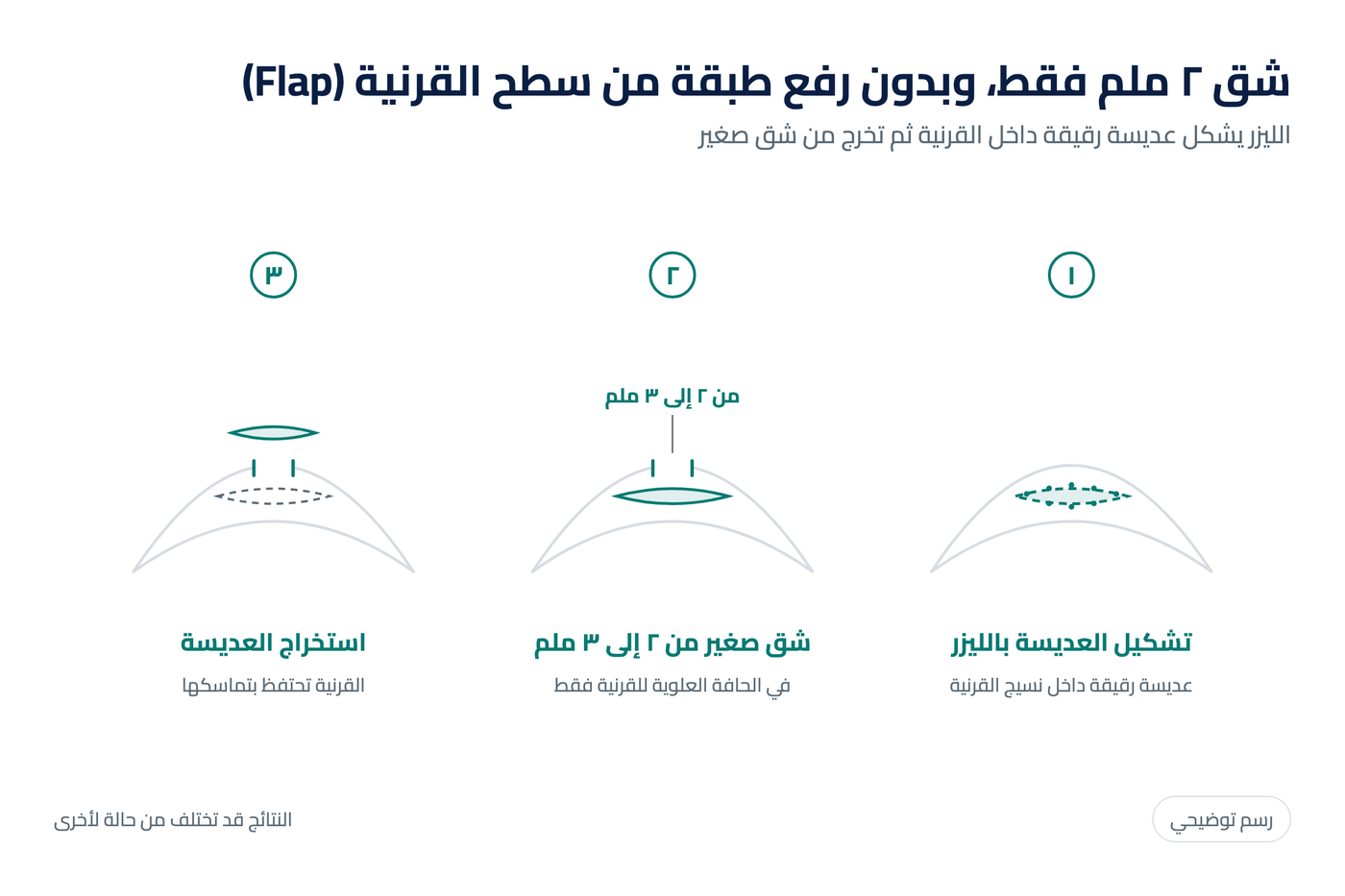
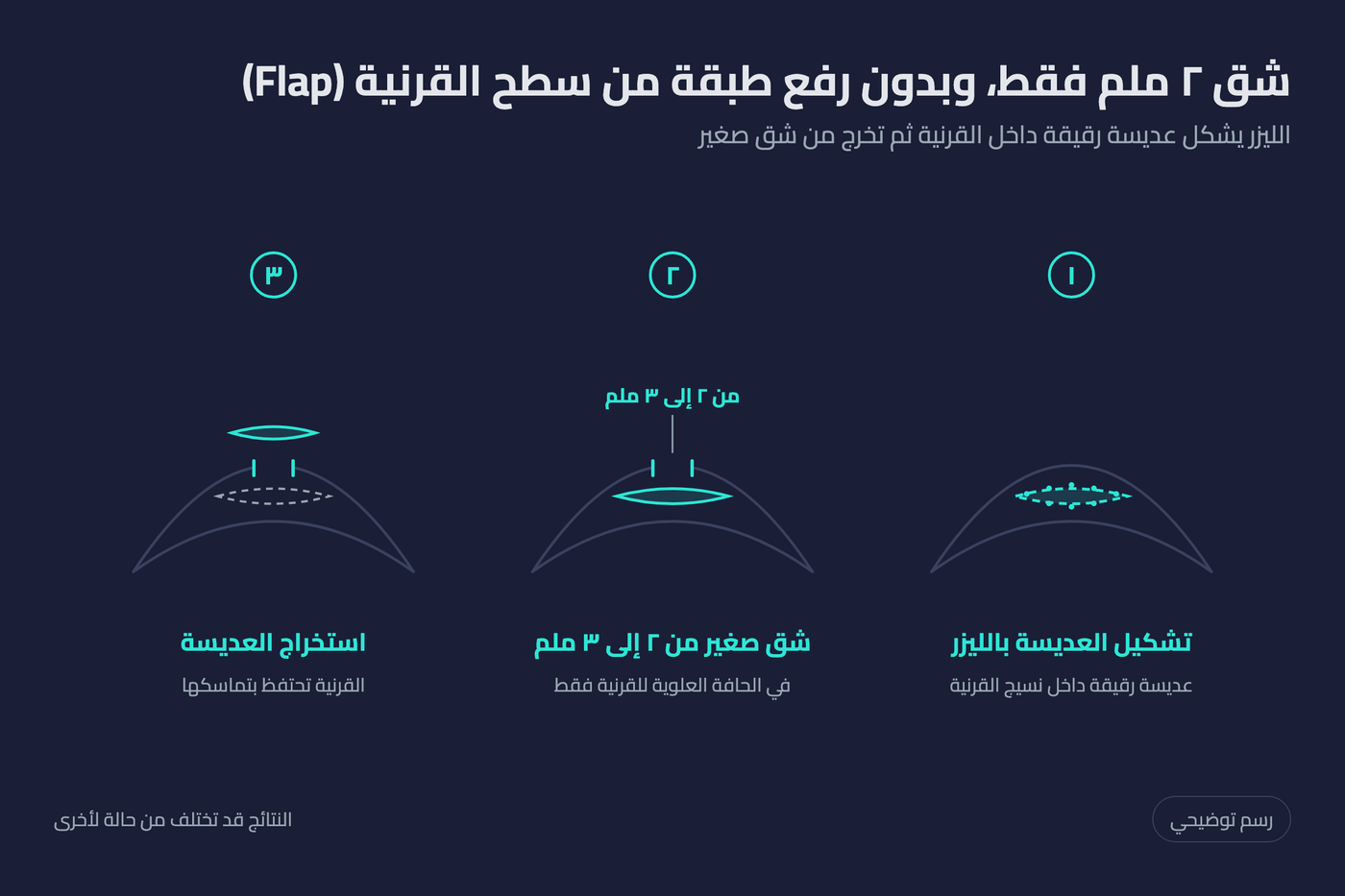
تقنية متقدمة دون إنشاء سديلة، تتميز بأسرع تعافٍ وأقل احتمالية لجفاف العين.
السعر في العيادة: ٢٤,٥٠٠-٤٤,١٠٠ جنيه مصري للعينين معاً (٥٠٠-٩٠٠ دولار)
نهج سطحي مناسب للقرنية الرقيقة والاستجماتيزم غير المنتظم. التعافي البصري أبطأ نسبيًا، لكن سجل الأمان للقرنية ممتاز.
السعر في العيادة: ١,٢٠٠ دولار للعين الواحدة (نحو ٥٨,٨٠٠ جنيه مصري)، و١,٥٠٠ دولار لعدسة التوريك
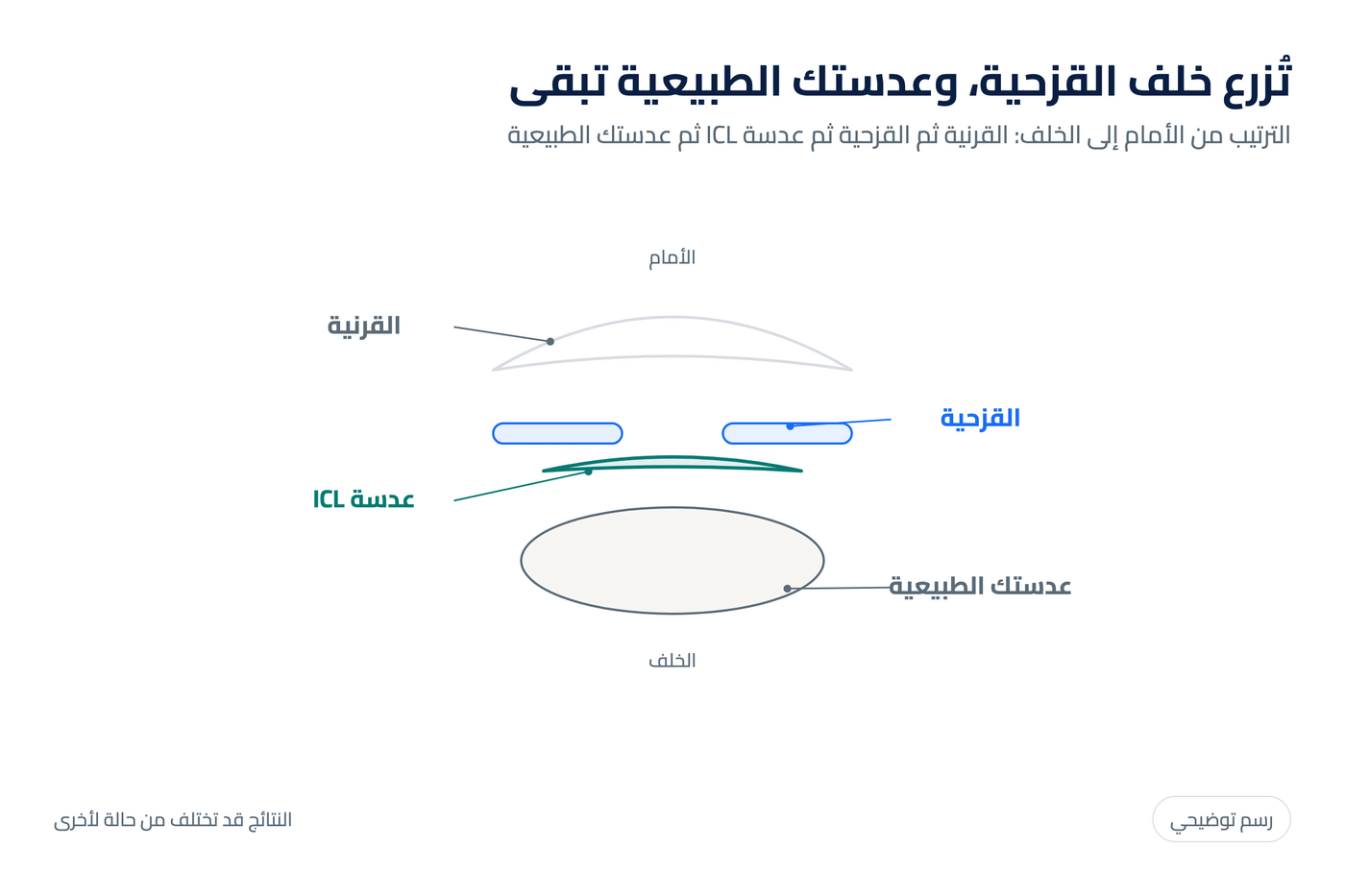
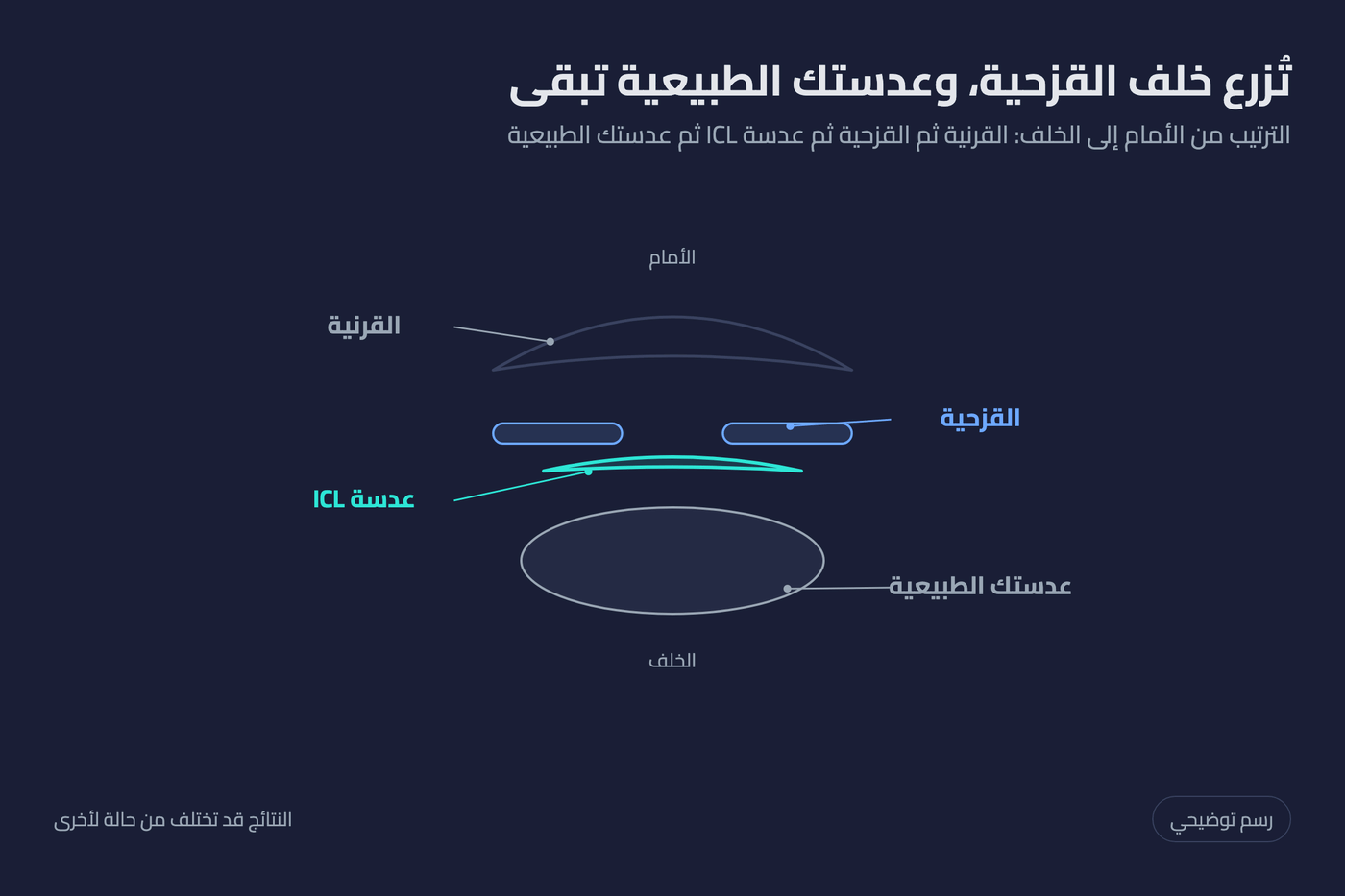
عدسة مُصنَّعة خصيصًا لكل مريض، مناسبة لقِصَر النظر الشديد أو القرنية الرقيقة. وتحتاج وقت جراحة أطول وأجهزة متخصصة.
قارن دائمًا التكلفة الإجمالية للرعاية، مش سعر الإجراء وحده. أنا كجراح حاصل على زمالة القرنية وعضوية AAO/ASCRS ممكن أضع سعرًا أعلى نسبيًا، وده بسبب الإمكانات التشخيصية المتقدمة والقدرة على إدارة المضاعفات. وعلى المدى البعيد، الاستثمار في الاختيار الدقيق للمرضى والتقنيات المتقدمة بيقلل من احتمالية الحاجة إلى إجراءات تصحيحية لاحقة.
مؤهلاتي في مجال الليزك والجراحات الانكسارية:
العنوان: شارع التحرير، برج جاد، الدور السابع، الدقي، القاهرة.
إعادة تشكيل القرنية التي يحدثها الليزك دائمة، فالقرنية لا «تعود» إلى شكلها الأصلي. لكن التغيرات الطبيعية المرتبطة بالعمر، مثل قِصَر نظر الشيخوخة (Presbyopia) الذي يصعّب الرؤية القريبة، تبدأ عادةً بين سن ٤٠ و٤٥ عامًا، وقد تستلزم نظارة قراءة أو تصحيح برؤية أحادية[1]. وفي نسبة قليلة من المرضى تُلاحظ ارتداديةٌ بسيطة في النظر مع الوقت، عادةً خلال السنة الأولى بعد العملية.
نعم. لو حدثت ارتدادية في النظر بعد العملية الأولى، أو ظهرت أعراض قِصَر نظر الشيخوخة، ممكن نعمل عملية تحسينية لتعديل النتائج. وعادةً بتُجرى عملية التحسين بعد ٣-٦ أشهر من العملية الأولى، أي بعد التئام العين تمامًا، وبعد التأكد من أن سُمك القرنية لا يزال كافيًا قبل إعادة العلاج.
فعلًا يقدم مزايا حقيقية للرياضيين: التحرر من النظارات والعدسات اللاصقة، انعدام خطر فقدان العدسة أثناء المنافسة، وتحسُّن الرؤية الجانبية. ويمكن العودة عمومًا إلى الرياضات الاحتكاكية بعد أسبوعين من العملية. لكن بعض المؤسسات العسكرية والأمنية تضع تفضيلات معينة بشأن إجراءات تصحيح النظر، فيستحسن مناقشة متطلباتك الخاصة معايا مباشرة.
المضاعفات الخطيرة نادرة عند الالتزام بمعايير اختيار صارمة للمرضى. وإذا حدثت، يعتمد التعامل معها على طبيعتها. وكجراح حاصل على زمالة القرنية عندي خبرة متخصصة في إدارة مضاعفات الجراحات الانكسارية. والمتابعة الدورية بعد العملية بتتيح الاكتشاف المبكر لأي مشكلة والتدخل السريع عند الحاجة.
لأ، الليزك ليس قابلًا للعكس لأن جزءًا من نسيج القرنية يُزال أثناء العملية. لكن يمكن تحسين النتائج بعملية تحسينية لاحقة. وإذا لم تكن النتائج مُرضية، يمكن زراعة عدسة (ICL) في العين نفسها لتقديم تصحيح إضافي. نقدر نناقش خيارات التصحيح المتاحة سوا عند الحاجة.
لو بتفكر في إجراء عملية الليزك في القاهرة، الخطوة الأولى هي تقييم دقيق عند استشاري قرنية مؤهل. استشارتي معاك بتتضمن:
عيناك تستحقان رعاية متخصصة. اختيار جراح حاصل على زمالة القرنية وعضويات مهنية معتمدة وملتزم بالاختيار الدقيق للمرضى يزيد من فرصك في نتيجة آمنة ومُرضية.
تواصل مع cornea.clinic:
مصادر طبية موثوقة استُند إليها في مراجعة هذا المقال:
خريطة تصحيح النظر بالليزر
اختر أقرب وصف لحالتك
درجة نظر ثابتة من سنة أو أكثر، وسمك القرنية طبيعي على البنتاكام
عندما يكون السمك كافياً والقياسات ثابتة، فهذا هو الطريق المباشر. الفيمتو يصنع الطبقة السطحية، والإكزيمر يصحح الدرجة.
شكوى جفاف متكررة، أو سمك قرنية على الحد الأدنى مع قصر نظر بسيط لمتوسط
الفتحة الصغيرة بتقلل تأثير العملية على أعصاب سطح القرنية، وده بيفرق مع حالات الجفاف، والسطح الأمامي بيفضل شبه سليم.
قصر نظر عالٍ، أو سمك قرنية غير كافٍ، أو قيل لك إن الليزر غير مناسب
عندما لا تسمح القرنية بإزالة نسيج منها، نتركها كما هي ونضع عدسة داخل العين أمام العدسة الطبيعية، ويمكن إخراج هذه العدسة إذا تغيّر النظر لاحقاً.
هذا الدليل استرشادي فقط، وفحص القرنية (بنتاكام/طبوغرافيا) وقياسات العين هما ما يحدد العملية المناسبة
احجز كشف تصحيح النظرخدمات ذات صلة
الخطوة العملية التالية
القراءة بتشرح الصورة العامة، لكن اللي يناسب عينك أنت بيتحدد من الكشف مع د. أحمد شعراوي، في القاهرة أو أربيل.

مدرس (باحث) بمعهد بحوث أمراض العيون واستشاري جراحة القرنية والليزك. حاصل على زمالة سريرية وبحثية من معهد ديفرز للعيون، أوريجون، أمريكا تحت إشراف البروفيسور مارك تيري. أول من أجرى زراعة القرنية البطانية بتقنية S-DMEK في مصر والمنطقة العربية. له تقنيتان جراحيتان منشورتان في الأكاديمية الأمريكية لطب العيون (AAO).
المزيد عن الدكتور
١١ أغسطس ٢٠٢٦
١١ أغسطس ٢٠٢٦
٢٠ مايو ٢٠٢٦

٢٠ مايو ٢٠٢٦
احجز موعدك الآن
البعيد مش واضح؟
اسحب الفاصل لترى كيف يبدو البعيد مع قصر النظر وبدونه.
الحروف البعيدة تتشوش
الأنوار البعيدة تبان منتشرة وغير واضحة
اقرأ هذا النص
الحروف القريبة تبقى واضحة
اقرأ هذا النص
الحروف القريبة تبقى واضحة
القريب غالبًا واضح مع قصر النظر، المشكلة في البعيد
الفحص وتصوير القرنية يحددان التقنية المناسبة لك، لا هذه الصورة